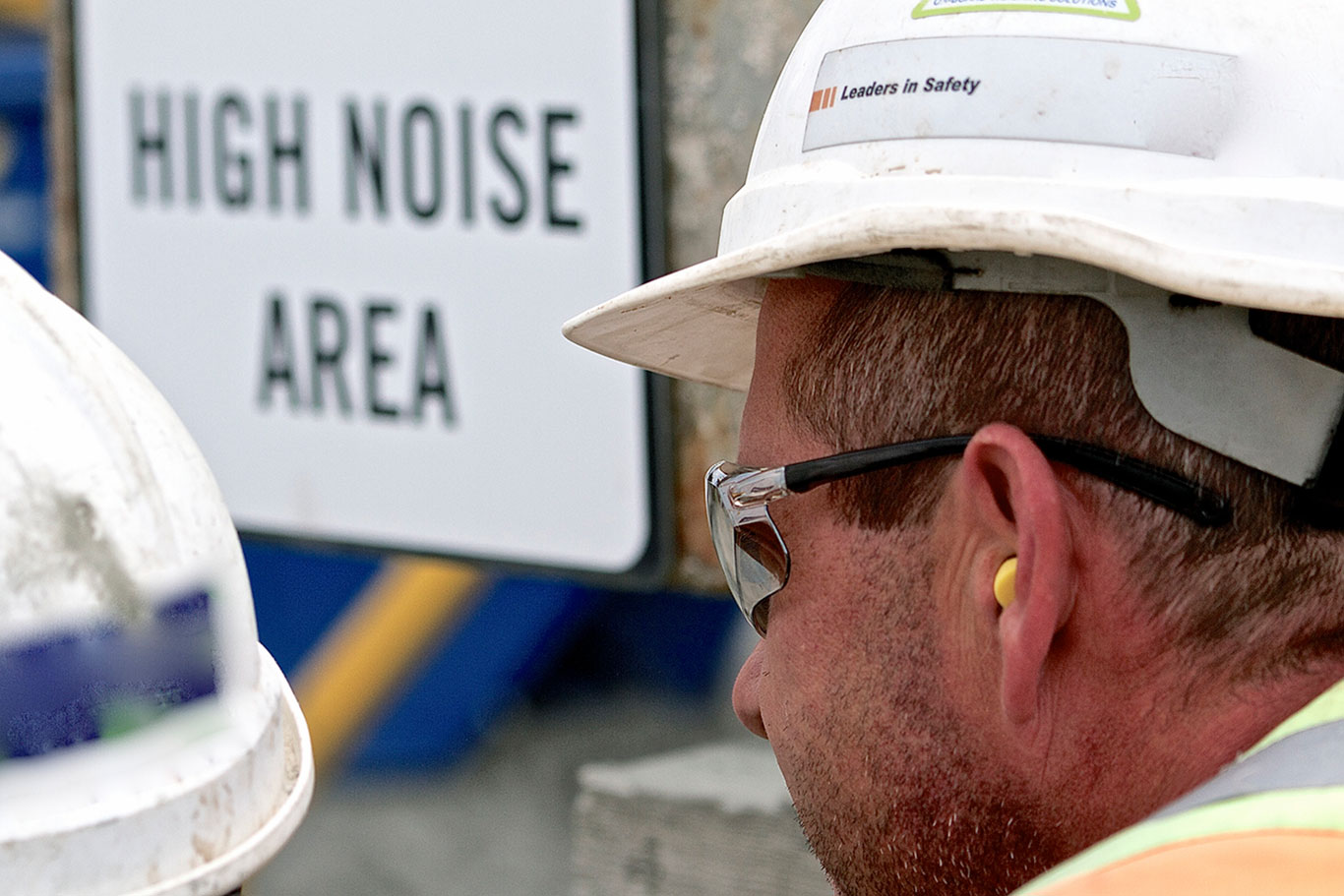



Noise can make or break a planning application. Whether it’s the impact of road traffic on new homes or the sound of plant equipment affecting neighbours, overlooking the need for a noise assessment can trigger objections, delays, and costly revisions.
In this blog, we explore the most common planning mistakes related to noise assessments — and how to avoid them with the right approach.
Why Noise Matters in Planning
Noise is a material consideration in UK planning decisions. Local authorities must ensure new developments meet acceptable acoustic standards — both for protecting future occupants and minimising impact on existing communities.
As a result, many planning applications now require a noise assessment, particularly for:
- Residential schemes near roads, railways or industry
- Commercial sites operating near existing homes
- Developments involving plant or mechanical equipment
- Mixed-use and change-of-use proposals
Mistake 1: Assuming a Noise Assessment Isn’t Necessary
One of the most common errors is underestimating how likely a noise assessment will be requested — particularly for smaller or suburban schemes. Many developers are caught out at the validation stage or receive objections from Environmental Health late in the process.
How to Avoid It:
Check with your planning consultant early. If your site is near a major road, railway, commercial unit, or is within a noise-sensitive area, assume an assessment may be required.
Mistake 2: Waiting Until the Council Requests One
Delaying your noise assessment until planning officers ask for it can lead to:
- Missed validation deadlines
- Extension requests from the council
- Delays to committee dates or delegated decisions
Noise assessments often take a week or more to produce — longer if monitoring is needed — so leaving it until the last minute can stall your application.
How to Avoid It:
Engage a qualified environmental consultant as early as possible — ideally before submitting your application. Early reporting can also inform the design and layout of your scheme.
Mistake 3: Submitting Incomplete or Poor-Quality Reports
Not all noise assessments are created equal. Reports lacking clarity, proper analysis, or reference to relevant standards (such as BS4142 or BS8233) are often rejected or require revision.
Common report issues include:
- No baseline measurements
- Lack of mitigation recommendations
- Technical language without planner-friendly summaries
How to Avoid It:
Use a specialist with proven planning experience. At Hawkins Environmental, we tailor our reports to both technical and planning audiences, ensuring clarity and compliance.
Explore our services at: https://hawkinsenvironmental.co.uk/noise-assessment/
Mistake 4: Ignoring External Noise Sources in Site Layout
Designers sometimes place bedrooms or amenity areas near the noisiest parts of a site — such as roads, plant rooms, or boundary walls — without considering acoustic implications.
This can lead to unresolvable planning conditions or expensive design revisions late in the process.
How to Avoid It:
Use your noise assessment proactively during site planning. Good assessments will provide recommendations on site layout, window types, or the need for acoustic barriers to reduce noise exposure.
Mistake 5: Failing to Mitigate Identified Noise Risks
Some developers assume the assessment alone is enough — but if the report identifies exceedances without clear mitigation, it’s likely to face objections from Environmental Health Officers.
How to Avoid It:
Ensure your report includes:
- Predicted internal and external noise levels
- Mitigation options (e.g. acoustic glazing, wall build-ups, fencing)
- Clear guidance on how to meet policy thresholds
What a Quality Noise Assessment Includes
At Hawkins Environmental, we provide planning-focused noise assessments that typically feature:
- Desktop or on-site noise measurements
- Analysis aligned with BS4142, BS8233, or WHO guidelines
- Assessment of both existing and future noise impacts
- Practical mitigation recommendations
- Executive summaries written with planning officers in mind
Noise assessments aren’t just another checkbox — they’re a critical element of planning success. From project layout to local authority compliance, a well-prepared assessment helps prevent objections, reduces costs, and accelerates approval.
Avoid the common mistakes by involving an experienced environmental consultant early in the process. You’ll save time, improve design outcomes, and build trust with planners.
Need a fast, planning-compliant noise assessment?
Contact Hawkins Environmental today.
Phone: 01256 522332
Email: enquiry@hawkinsenvironmental.co.uk
Website: https://hawkinsenvironmental.co.uk/noise-assessment/
Frequently Asked Questions
Q1: How long does a noise assessment take to complete?
A1: Most assessments can be completed within 5–7 working days. If monitoring is needed, this may extend the timeline slightly — we always advise realistic timescales based on your project.
Q2: Can noise assessments be done without on-site monitoring?
A2: In some cases, a desktop study is sufficient. However, for complex or high-risk sites, on-site monitoring may be recommended for accurate results.
Q3: What happens if my site exceeds acceptable noise levels?
A3: Your report will include mitigation strategies — such as enhanced glazing, barriers, or layout changes — to bring noise exposure within acceptable planning thresholds.