Lighting Impact Assessments
for Planning Applications

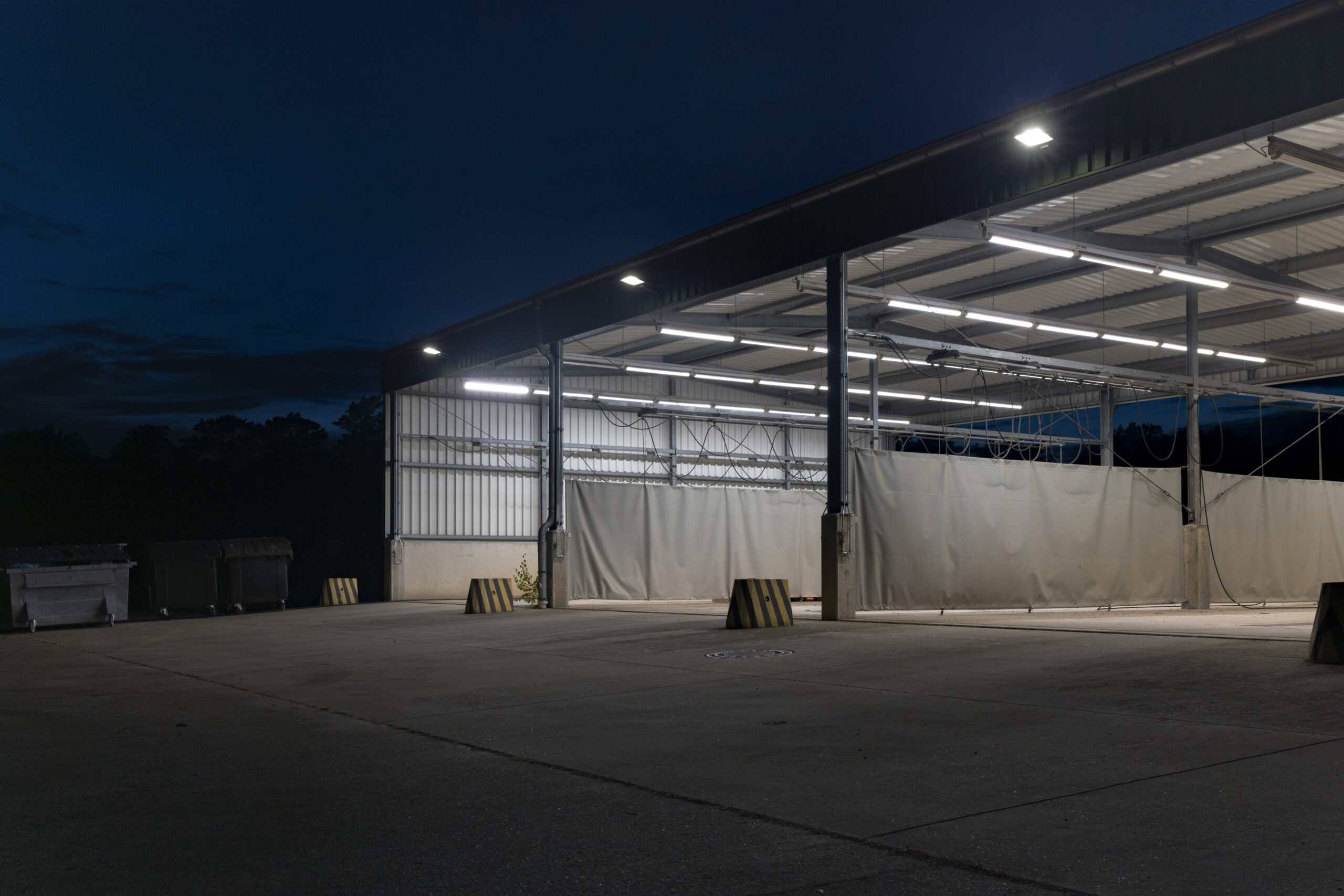
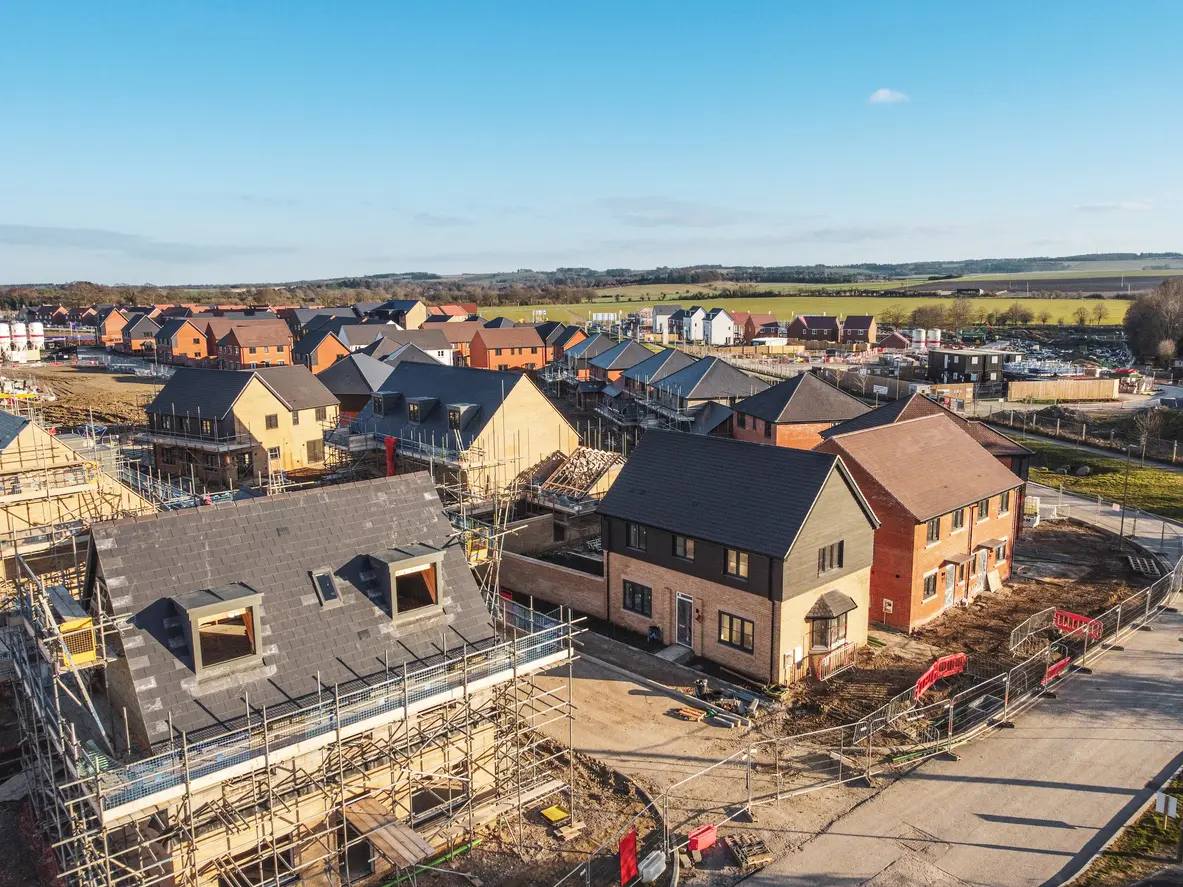
Hawkins Environmental prepares lighting impact assessments for residential, commercial, industrial and infrastructure planning applications across the UK.

We assess how proposed or existing external lighting may affect neighbouring properties, road users, public spaces, dark landscapes and sensitive ecological receptors.

Our consultants provide desktop studies, baseline surveys, technical analysis and practical recommendations to address light spill, glare, sky glow and other forms of obtrusive light.

Initial consultation and desktop study

Initial consultation and desktop study

We begin by reviewing the development proposals, external-lighting information, planning history and surrounding land uses. The desktop review identifies potential receptors that may be affected by artificial light, including:

Nearby homes and other occupied buildings
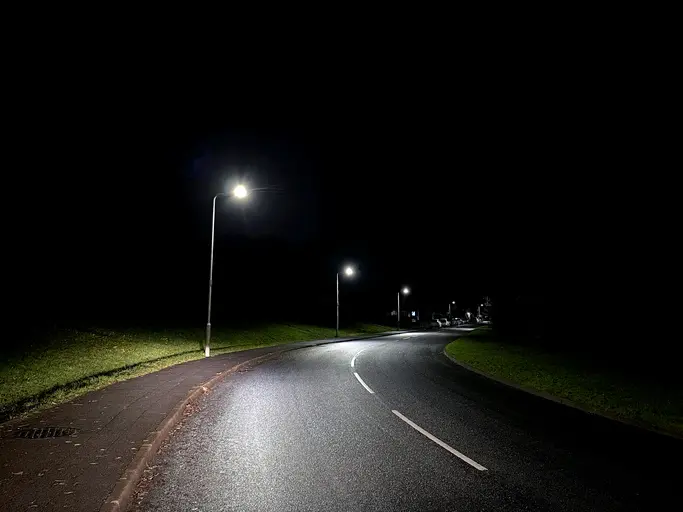
Roads and transport infrastructure
Public spaces and neighbouring businesses
Habitats used by bats and other nocturnal species
Dark landscapes, rural areas and designated sites
Existing sources of external lighting

Aerial imagery, mapping, planning documents and available lighting information are used to establish the initial site context and assessment scope.

Baseline lighting survey

Baseline lighting survey

Where site-specific evidence is required, we carry out a night-time survey to record existing lighting conditions around the development site.

The survey may include:

Illuminance measurements at representative locations
Identification of existing light sources
Observations of glare, spill and sky glow
Review of neighbouring properties and sensitive receptors
Photographs and survey notes showing the existing night-time environment

The results provide a baseline against which the proposed lighting can be assessed.

Environmental impact analysis

Environmental impact analysis

We assess how proposed lighting could affect the surrounding environment and the people or wildlife using it. The assessment may consider:

Light spill beyond the application boundary
Glare experienced by residents, pedestrians or road users
Upward light and contribution to sky glow
Light intrusion at neighbouring windows
Effects on bats and other nocturnal species
Changes to dark corridors, habitats and landscape character
Effects on nearby businesses, public spaces and transport routes

Where an ecologist has identified sensitive habitats or species, we can use the relevant ecological information to assess the proposed lighting and recommend suitable controls.
Practical Lighting Advice for Planning and Design

Where the assessment identifies a potential effect, we provide practical recommendations that the lighting designer and wider project team can consider.

Recommendations may include changes to luminaire position, mounting height, beam direction, output, shielding, colour temperature, operating hours, dimming or automatic controls.

Send us the site details and proposed lighting information, and we will advise on the likely assessment scope, programme and fee.

What a Lighting Impact
Assessment Covers

A lighting impact assessment evaluates how existing or proposed artificial lighting may affect neighbouring properties, sensitive habitats, public spaces, road users and the wider night-time environment.

The assessment scope may include:

  • Review of the development and proposed lighting scheme
  • Identification of environmental zones and sensitive receptors
  • Baseline night-time observations and measurements
  • Evaluation of light spill, glare, upward light and sky glow
  • Review of effects at residential windows and property boundaries
  • Consideration of ecological constraints identified for the site
  • Review of luminaire specifications, positions, mounting heights and controls
  • Assessment drawings, calculations or isolux information
  • Recommendations for proportionate mitigation


We prepare desktop assessments and site-based studies for exterior-lighting proposals and work with planning consultants, lighting designers, ecologists and environmental health officers throughout the planning process.

Each report identifies the guidance, planning context, assumptions and assessment criteria used for the project.

Lighting Impact Assessment
Lighting Impact Assessment Glossary

LED (Light Emitting Diode) – A semiconductor that emits light when powered. LEDs are efficient and long-lasting compared to traditional bulbs.

Light Pollution – Excessive or misdirected artificial light that disrupts natural darkness.

Sensitive Lighting Scheme – Lighting designed to reduce pollution, improve visibility, and suit its environment—balancing safety and ecological impact.

Glare – Harsh brightness that causes discomfort or impairs vision, typically from intense light sources contrasting with surroundings.

Colour Temperature – Measured in Kelvins; higher values mean cooler light; lower values mean warmer light.

Sky Glow – Night sky brightening overpopulated areas, caused by artificial light scattering in the atmosphere.

Lux (lx) – Unit measuring light intensity on a surface (illuminance).

Lumens (lm) – Unit measuring total visible light emitted by a source, regardless of direction.

Illuminance – The brightness of light reaching a surface, based on source intensity and coverage area.

Luminance – Light reflected or emitted from a surface, indicating its visible brightness, considering reflectivity.

Environmental Zones – Area classifications guiding lighting levels to reduce pollution and protect dark skies.

Obtrusive Light – Light spilling into unintended areas, often considered a nuisance depending on its intensity and surrounding light levels.

What’s included in our comprehensive Lighting Impact Assessment reports?

We provide a detailed Lighting Impact Assessment Report ready for submission with your planning application. This report includes:

  • Baseline lighting conditions and lux measurements.
  • An evaluation of sensitive receptors and environmental zones.
  • Isolux contour maps showing how light spreads across the site and surrounding areas.
  • Mitigation strategies to reduce light pollution and prevent disturbance to local wildlife and residential areas.
  • A summary of compliance with relevant planning policies and standards, including:
    • Professional Lighting Guide PLG 04 – Guidance on Undertaking Environmental Lighting Impact Assessments
    • ILP GN01 – Guidance Notes for the Reduction of Obtrusive Light
    • ILP GN08 – Bats and Artificial Lighting in the UK.
    • BS 5489-1 and BS EN 13201 – Road Lighting Standards
    • National Planning Policy Framework (NPPF)
    • BS EN:12193 – Indoor Sports Lighting
An increase in lighting conditions in planning?

The advancement of LED technology has significantly improved external lighting in recent years, offering brighter, more directional, and energy-efficient options compared to the older halogen lights. Additionally, LED lights tend to emit a whiter light, unlike their predecessors. However, despite the cost-efficiency of these new lights, improper design and placement can lead to negative consequences for humans, light-sensitive species, and the environment. Excessive light pollution, glare, and light intrusion can result if these factors aren’t properly addressed.

As a result, planning authorities now assess the potential impacts of existing or new lighting sources on surrounding areas. Their goal is to protect wildlife, prevent disturbances to people, and preserve the enjoyment of natural spaces and the night sky. If these factors are not considered during planning, a condition notice is typically issued.

Is it a requirement to do a Lighting Impact Assessment for planning?

No, it is not a general requirement. However, if you are in a dark skies area, such as a national park (e.g., the South Downs) or a rural countryside area, your local authority may require it.

Each local authority has its own approach to lighting, so it is advisable to check your local authority’s planning guidelines. Most authorities will require a Lighting Impact Assessment as part of their validation process if floodlights are being installed (e.g., on sports pitches or in industrial/commercial areas).

Addressing lighting considerations before submitting a planning application can help reduce delays and avoid the need for a condition notice.

When does external lighting need to be considered?

Artificial lighting should be considered when a development is likely to increase lighting levels or when the development may be sensitive to existing lighting conditions. Although lighting offers benefits to society, it is crucial to ensure that the right type of light is used in the right location and at the time to maximise its effectiveness.

Frequently Asked Questions

What is a lighting impact assessment?

A lighting impact assessment evaluates how proposed or existing artificial lighting may affect neighbouring properties, road users, public spaces, sensitive habitats and the wider night-time environment.

An assessment may be required where a development introduces new external lighting, significantly changes existing lighting conditions or is close to homes, transport routes, ecological receptors or dark landscapes.

Lighting assessments may be needed for residential developments, commercial and industrial sites, car parks, sports facilities, schools, healthcare premises, roads, infrastructure projects and developments in rural or environmentally sensitive locations.

Useful information includes the site address, proposed lighting layout, luminaire details, mounting heights, operating hours, site plans and information about nearby properties, roads, habitats and designated areas.

Yes. Where site-specific evidence is required, Hawkins Environmental can carry out a night-time survey to record existing lighting conditions and identify nearby sensitive receptors.

The assessment may consider light spill, glare, upward light, sky glow, changes to existing darkness, effects on neighbouring windows, road safety, landscape character and potential impacts on bats or other nocturnal wildlife.

Yes. Where ecological receptors may be affected, the assessment can consider lighting near habitats, boundaries, trees, watercourses, bat routes and other areas used by nocturnal species.

Yes. Recommendations may include changing luminaire positions, mounting heights, beam angles, shielding, light output, colour temperature, operating hours, dimming arrangements or automatic controls.

Light spill is artificial light that falls outside the area it is intended to illuminate. It can affect nearby homes, roads, habitats and dark landscape areas if it is not controlled through careful design.

It is best to seek advice during the early design stage. Early input allows lighting layouts to be reviewed before they are fixed and can help avoid unnecessary glare, overspill, ecological effects or planning delays.

Related News & Articles