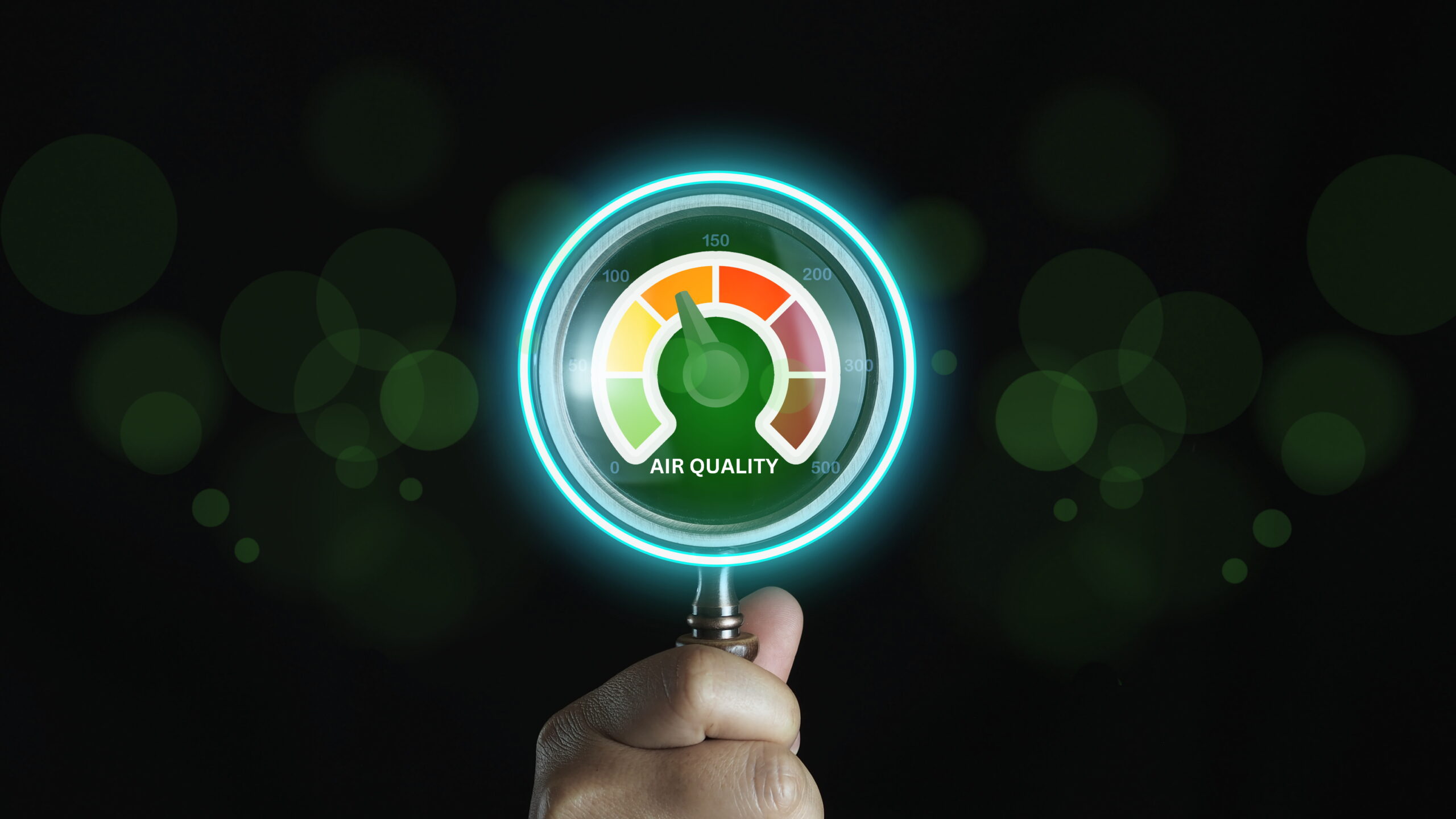

As the demand for sustainable development grows, local planning authorities are placing increased importance on environmental responsibility — especially when it comes to air quality. For developers, securing planning approval often hinges on demonstrating that a new project won’t worsen pollution levels. This is where an air quality assessment becomes essential.
Whether you’re planning a housing scheme or a mixed-use site, a professional air quality assessment not only helps meet planning requirements but also supports more sustainable, future-proof construction practices.
Why Air Quality Matters in Construction
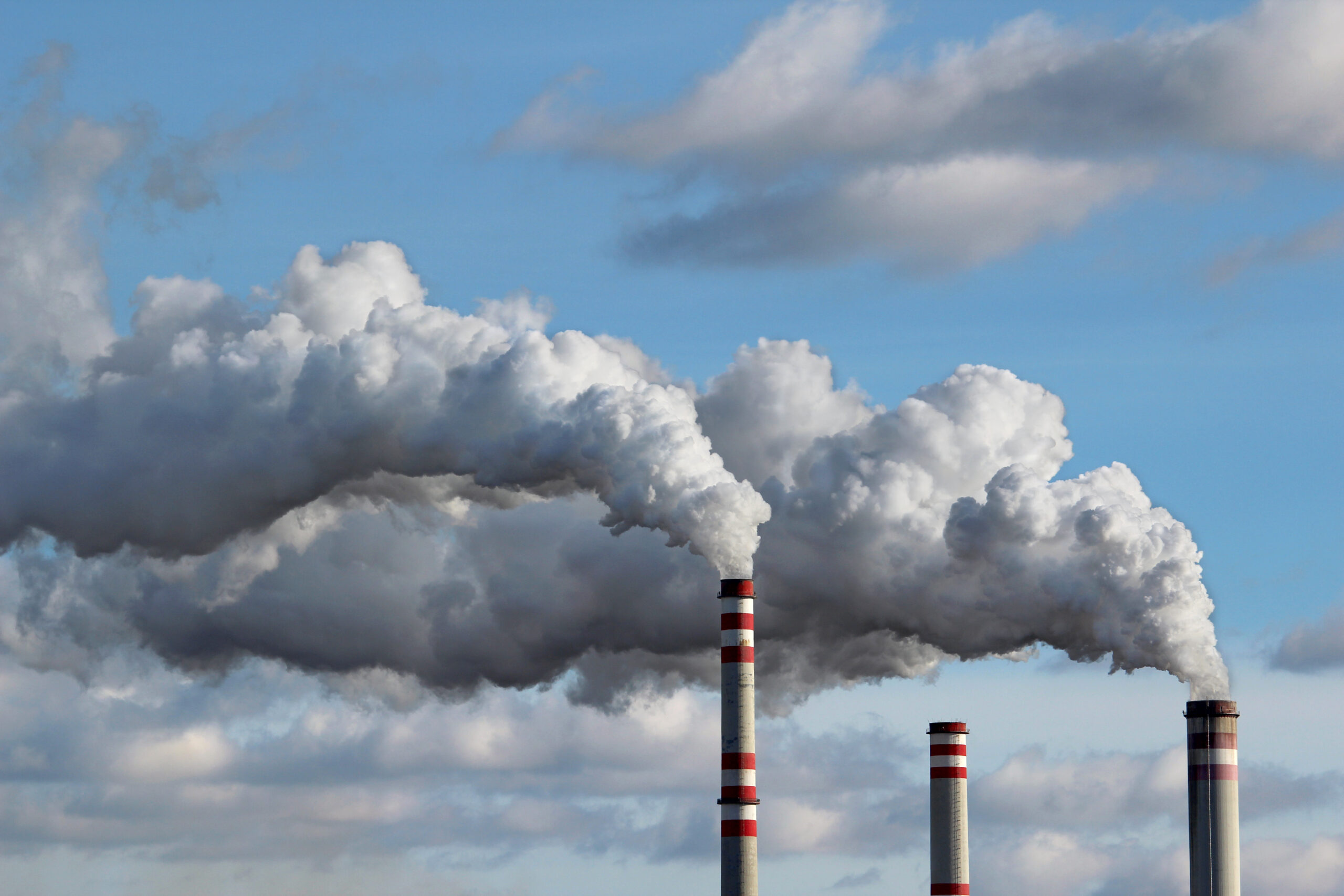
Construction projects — particularly in urban and semi-urban areas — can contribute to elevated levels of pollutants such as nitrogen dioxide (NO₂) and particulate matter (PM10 and PM2.5). These pollutants pose risks to human health, especially in areas already experiencing poor air quality.
An air quality assessment for planning applications evaluates the potential impact of a proposed development on local air quality. It also ensures your project aligns with UK planning policies and air quality objectives set by national and local government.
What Is an Air Quality Assessment?
An air quality assessment is a technical report that analyses the potential air quality impacts of a proposed development during both the construction and operational phases. It’s typically required when:
- The development is near or within an Air Quality Management Area (AQMA)
- The project may increase traffic flows or emissions
- Sensitive receptors (e.g. schools, hospitals) are nearby
Working with a qualified air quality assessment consultant ensures your report is scientifically robust and planning-compliant.
Supporting Sustainable Construction Through Air Quality Assessments
A comprehensive air quality assessment contributes to sustainability in several key ways:
1. Minimising Construction Emissions
A construction air quality assessment evaluates short-term impacts during the build phase, including:
- Dust generation from demolition and earthworks
- Emissions from machinery and vehicle movements
- Mitigation measures (e.g. wheel washing, dust suppression)
By identifying risks early, contractors can implement control strategies that reduce environmental harm.
2. Promoting Better Design Decisions
Air quality assessments inform sustainable design choices such as:
- Building orientation to avoid pollution hotspots
- Landscaping buffers (e.g. trees or vegetation to capture particulates)
- Low-emission building materials
These decisions improve both environmental performance and public health outcomes.
3. Meeting Regulatory and Planning Policy Requirements
Planning authorities now expect developments to demonstrate they are air quality neutral, meaning they do not worsen local pollution. A well-prepared air quality neutral assessment supports compliance with:
- Local planning policy
- National Planning Policy Framework (NPPF)
- Institute of Air Quality Management (IAQM) guidance
Failing to provide this assessment may lead to planning delays or refusals.
4. Encouraging Long-Term Sustainability
Air quality assessments encourage broader sustainable measures, such as:
- Promoting active transport (e.g. walking/cycling routes)
- Installing electric vehicle (EV) charging infrastructure
- Creating low-emission zones within the development
When Is an Air Quality Assessment Required?
A common question from developers is: “When is an air quality assessment required?” In general, you’ll need one if your project:
- Is located in or near an AQMA
- Will increase traffic or HGV movements
- Involves sensitive receptors (schools, hospitals, care homes)
- Is large-scale (e.g. 50+ dwellings)
If you’re unsure, a qualified air quality consultant in Basingstoke or your local area can advise whether an assessment is needed for your planning application.
Hawkins Environmental: Experts in Air Assessment Services
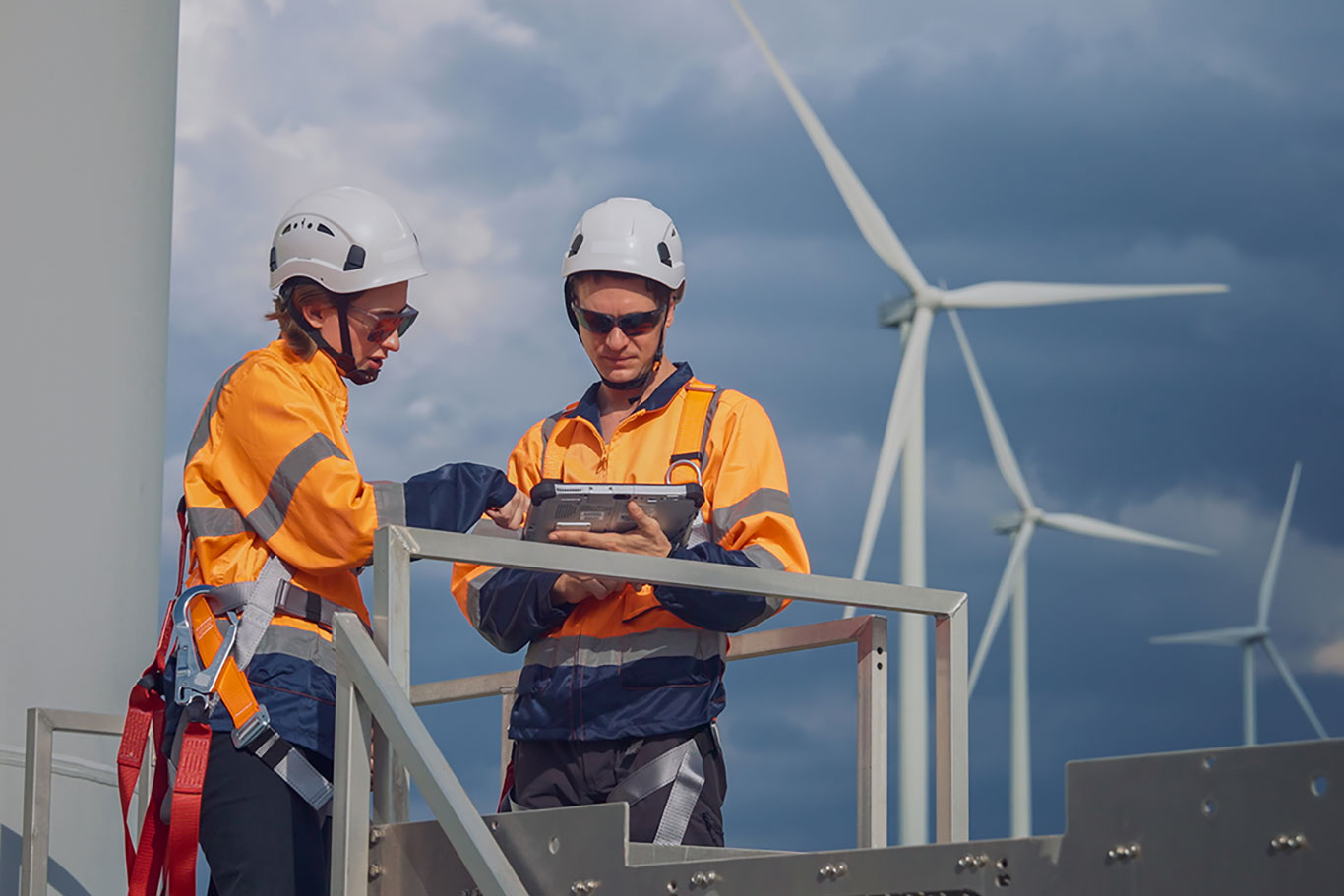
At Hawkins Environmental, our experienced air assessment consultants provide expert support to help your project meet planning requirements with minimal disruption. Based in Hampshire, we regularly conduct air quality assessments in Basingstoke and throughout the South of England.
Our team delivers planning-ready reports that are scientifically sound, clearly written, and aligned with local policy.
Explore our Air Quality Assessment Services
A professional air quality assessment plays a vital role in supporting sustainable construction. It ensures your development meets environmental standards, avoids planning delays, and promotes healthier, more resilient communities.
By choosing an expert air quality assessment consultant, you can demonstrate your commitment to responsible development while protecting public health.
Phone: 01256 522332
Email: enquiry@hawkinsenvironmental.co.uk
Learn more about our Air Assessments
Frequently Asked Questions
Q1: How long does an assessment take?
A1: Most assessments are completed within 1–2 weeks. The timeframe may vary depending on the scale of the development and the local authority’s requirements.
Q2: Can a project be refused planning permission without an assessment?
A2: Yes. If the local authority considers the potential air quality impact significant and an assessment is not submitted, the application can be delayed or refused.
Q3: What’s included in air quality assessment services?
A3: Services typically include a review of existing air quality data, emissions modelling, construction impact analysis, mitigation measures, and a final report suitable for planning submission.