


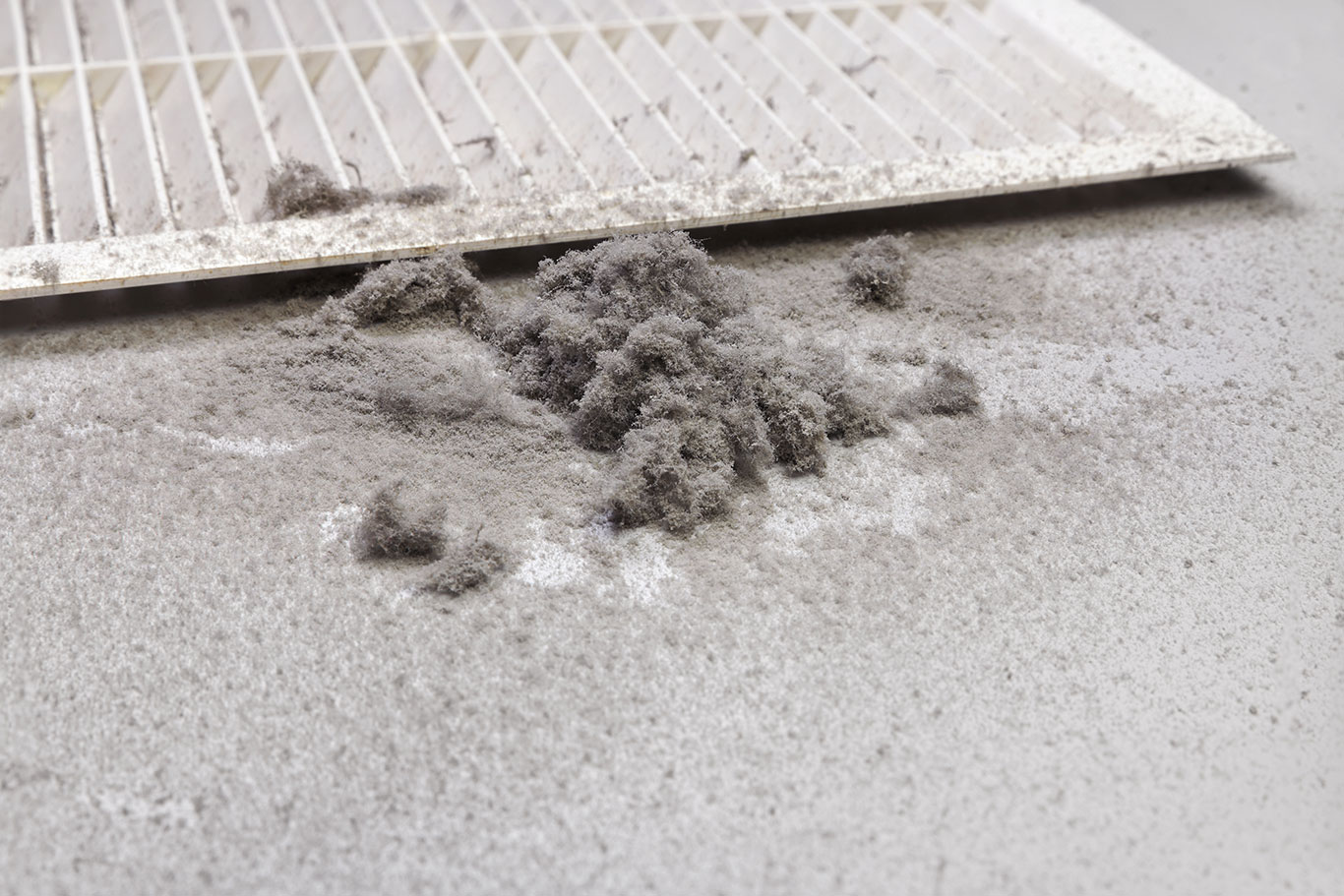
In today’s regulatory landscape, dust is more than just a nuisance — it’s a health and environmental hazard that planning authorities take seriously. For developers, a professional dust assessment can be the difference between a successful planning application and a costly delay.
Whether you’re preparing a residential scheme or a commercial development, assessing and managing dust emissions is a vital part of the planning process. This blog explains how a dust risk assessment safeguards public health, meets planning requirements, and supports responsible development.
Why Dust Matters in Development
Construction activities such as demolition, excavation, and earthworks can generate significant levels of airborne dust. These particles, particularly PM10 and PM2.5, can affect air quality and lead to respiratory issues for nearby residents and workers.
Planning authorities require a dust assessment to ensure that developers understand the potential impacts and take appropriate measures to mitigate them. Failure to do so can trigger objections from Environmental Health Officers (EHOs) or even lead to planning refusals.
What Is a Dust Risk Assessment?
A dust risk assessment evaluates the likelihood and severity of dust emissions from a development and identifies mitigation strategies to reduce their impact. It typically forms part of an air quality assessment or is submitted as a standalone report during the planning process.
Key elements include:
- Baseline dust conditions
- Potential sources of dust during construction
- Proximity of sensitive receptors (e.g. homes, schools, healthcare settings)
- Control and mitigation measures
- Monitoring and management plans
In more complex cases, this is referred to as a dust and odour risk assessment for developers, especially if there are concerns about smells from nearby industrial or waste facilities.
When Is a Dust Assessment Required?
You may need a dust impact assessment for planning if your development involves:
- Demolition or bulk earthworks
- Large-scale housing or commercial construction
- Proximity to sensitive receptors or within an AQMA (Air Quality Management Area)
- Sites adjacent to waste handling, industrial, or odorous facilities
Each local authority has its own validation checklist, but a qualified consultant can advise if your site requires one.
The Role of Dust Assessments in Planning Compliance
1. Protecting Human Health
A well-prepared dust exposure risk assessment identifies where and how dust might impact vulnerable populations and helps design strategies to minimise risk — from screening barriers to wheel-washing stations.
2. Supporting Planning Applications
Planning officers expect clear evidence that dust emissions are understood and will be managed effectively. A robust dust assessment report shows that your development meets local and national air quality standards.
3. Reducing Construction Delays
Proactive construction dust risk assessments help developers plan ahead and avoid delays due to enforcement action or objections from residents and environmental bodies.
4. Demonstrating Environmental Responsibility
Dust and air quality considerations are increasingly tied to broader sustainability and ESG (Environmental, Social, and Governance) commitments. A thorough dust assessment demonstrates good practice and environmental stewardship.
Hawkins Environmental: Specialists in Dust and Air Quality Assessments
At Hawkins Environmental, we provide tailored dust and odour impact assessments to support planning applications across the South of England, including construction dust risk assessments for complex sites.
Our services include:
- Dust impact assessment for planning
- Construction phase risk evaluations
- Odour assessments for sites near waste/industrial activities
- Ongoing air quality monitoring
- Coordination with local EHOs
We also offer combined air quality and industrial noise assessment packages where required.
Explore our Air Quality Assessment Services
A professional dust assessment is not only a planning requirement — it’s a safeguard for public health and a signal of responsible development. With expert input, developers can navigate planning more smoothly, reduce objections, and build with confidence.
Don’t leave your application at risk. Let Hawkins Environmental help you prepare a trusted, planning-ready dust risk assessment.
Phone: 01256 522332
Email: enquiry@hawkinsenvironmental.co.uk
Visit our Air Quality Assessment Page
Frequently Asked Questions (FAQs)
Q1: Is a dust assessment required for all construction projects?
A1: Not always, but it is strongly recommended if the project is large-scale, near sensitive receptors, or within an AQMA. Local authorities may insist on one for validation.
Q2: What’s the difference between a dust risk assessment and an air quality assessment?
A2: A dust risk assessment focuses specifically on dust emissions during construction. An air quality assessment also considers vehicle emissions and longer-term operational impacts.
Q3: How much does a dust assessment report cost?
A3: Costs vary based on the project’s size and complexity. Contact us for a tailored quote based on your planning needs.