


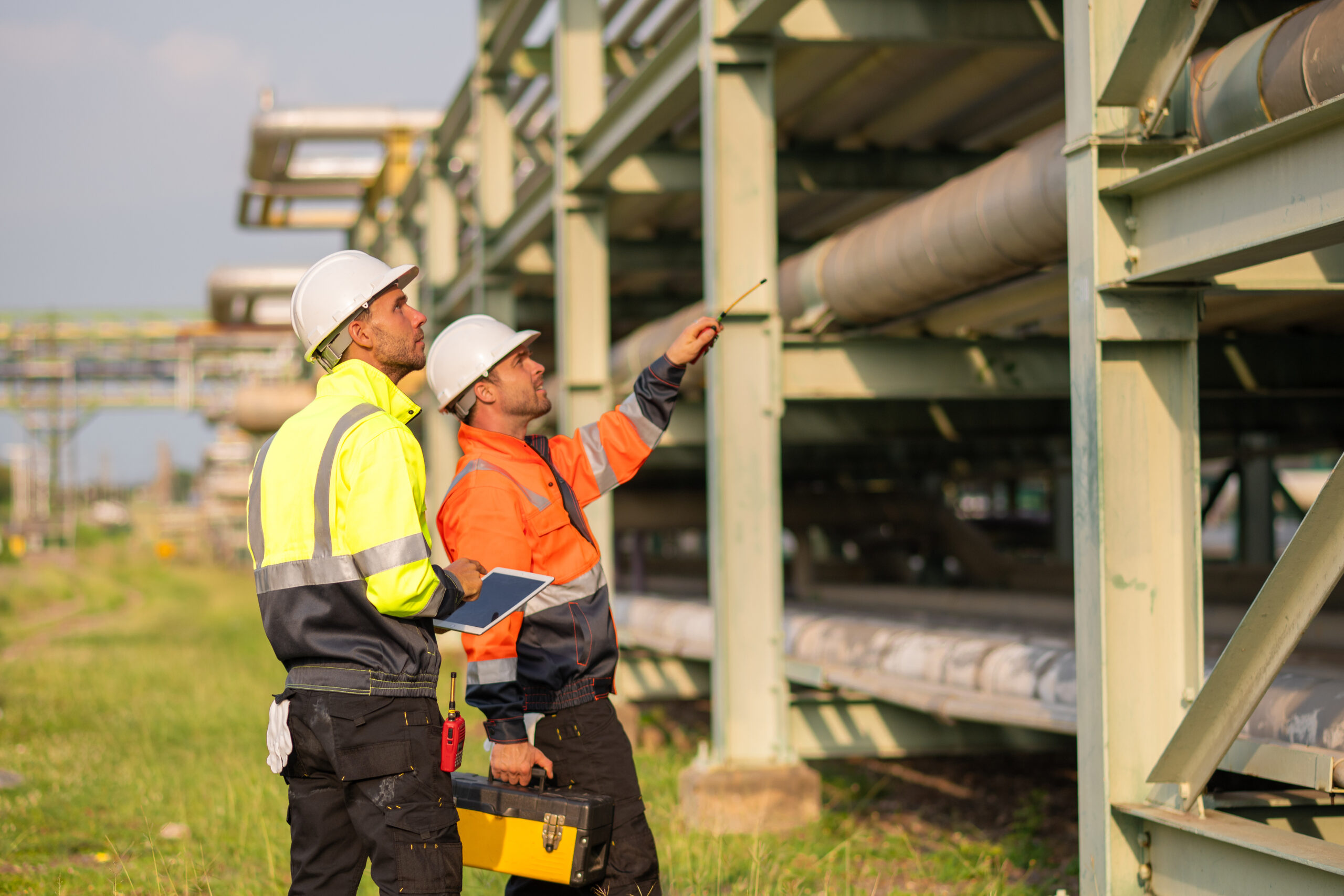
Environmental consultants play an important role in the planning and development process by helping architects, planners and developers understand how environmental factors may affect a proposed scheme. As planning requirements become increasingly detailed, environmental input is often needed early in a project to identify potential constraints and support smoother planning submissions.
In the UK, many developments now require technical environmental assessments covering issues such as air quality, environmental noise, daylight and sunlight, and lighting impacts. These studies help local authorities assess whether developments are suitable for their surroundings and whether environmental effects can be appropriately managed.
Because environmental considerations influence both design and planning outcomes, environmental consultants often work closely alongside architects and planning professionals throughout the lifecycle of a project.
Supporting Questions
- What does an environmental consultant do during planning?
- Why is early environmental input important?
- How do consultants influence building design?
- What assessments are commonly required?
- How do architects and environmental consultants collaborate?
What does an environmental consultant do?
Environmental consultants provide technical advice relating to environmental issues that may affect a development project.
Their work often includes:
- Assessing environmental constraints
- Preparing technical reports
- Supporting planning applications
- Advising on mitigation measures
- Coordinating with wider project teams
The exact role depends on the type and scale of the development, but the overall aim is usually to help projects progress while addressing environmental planning requirements appropriately.
Environmental consultants commonly work across residential, commercial, mixed-use and infrastructure developments.
Why is environmental input important during planning?
Environmental considerations can significantly influence whether a planning application is approved.
Local planning authorities often require evidence that developments have properly assessed issues such as:
- Air quality
- Noise impacts
- Daylight and sunlight
- Lighting effects
- Transport-related environmental impacts
If these issues are identified too late, projects may face delays, redesign work or additional planning scrutiny.
Early environmental input allows development teams to identify risks and incorporate solutions before designs become fixed.
How do environmental consultants work with architects?
Environmental consultants and architects often collaborate closely throughout the design process.
Architects focus on creating practical, visually effective and policy-compliant buildings, while environmental consultants provide technical analysis relating to environmental performance and planning considerations.
This collaboration may involve:
- Reviewing site constraints
- Testing building layouts
- Assessing environmental impacts
- Identifying mitigation opportunities
- Refining development proposals
For example, an architect designing an apartment scheme near a busy road may work with environmental consultants to improve air quality exposure, reduce noise impacts and optimise daylight performance simultaneously.
How do consultants support planning consultants?
Planning consultants coordinate the wider planning strategy for a development and often rely on environmental specialists to provide technical evidence supporting the application.
Environmental consultants may assist by:
- Identifying required technical studies
- Preparing supporting reports
- Responding to planning queries
- Advising on local authority requirements
- Helping discharge planning conditions
Because planning applications frequently involve multiple technical disciplines, coordination between consultants is essential.
Well-managed collaboration can help reduce delays and improve the overall quality of submissions.
What types of environmental assessments are commonly required?
The assessments required depend on the location and nature of the development.
Common examples include:
- Air quality assessments
- Environmental noise surveys
- Daylight and sunlight assessments
- Lighting assessments
These studies are often required for residential and mixed-use developments, particularly in urban areas where environmental constraints are more complex.
The findings may influence both planning strategy and building design.
Why is timing so important?
Environmental issues identified late in the process can sometimes create significant project complications.
For example:
- Noise constraints may require façade redesign
- Air quality concerns could affect ventilation strategies
- Daylight impacts may influence building massing
- Lighting impacts could alter external design proposals
By involving environmental consultants early, project teams can often avoid costly revisions and planning delays later.
This proactive approach has become increasingly common on larger or more technically complex developments.
How do environmental assessments influence design decisions?
Environmental assessments are often used as practical design tools rather than simply planning documents.
Consultants may provide technical analysis that influences:
- Building orientation
- Site layout
- Window placement
- Ventilation strategies
- Landscaping
- External lighting design
Architects can then use this information to refine proposals while balancing operational, aesthetic and planning requirements.
This integrated approach helps projects respond more effectively to both site conditions and planning expectations.
How do consultants respond to local authority feedback?
During the planning process, local authorities and environmental health officers may review submitted assessments and request clarification or amendments.
Environmental consultants often help project teams respond to:
- Technical planning comments
- Requests for additional information
- Mitigation requirements
- Planning condition wording
This process can involve ongoing coordination with architects, planners and developers to ensure responses remain consistent across the wider application.
Good communication between disciplines is therefore essential.
Why are urban developments often more complex?
Urban developments typically involve greater environmental challenges due to:
- Higher building densities
- Existing transport infrastructure
- Limited site space
- Mixed surrounding land uses
- Greater residential sensitivity
As a result, developments in towns and cities often require multiple overlapping environmental studies.
For example, a single development may simultaneously require assessment of:
- Traffic-related air quality
- Road traffic noise
- Daylight impacts
- External lighting effects
Coordinating these assessments effectively is an important part of environmental planning consultancy.
How do environmental consultants support better development outcomes?
The role of environmental consultants is not simply to identify problems. Their input often helps development teams create more practical, policy-aligned and environmentally responsive schemes.
This may include helping projects:
- Reduce planning risks
- Improve residential quality
- Respond to environmental constraints
- Streamline planning submissions
- Coordinate technical disciplines more effectively
The earlier environmental considerations are integrated into project planning, the easier they are usually to manage.
Guidance from The Royal Town Planning Institute (RTPI) highlights the importance of coordinated multidisciplinary planning and development processes across the UK.
Can environmental consultancy help smaller developments too?
Yes. While large developments often require more extensive technical studies, smaller schemes can also benefit from environmental advice where constraints exist.
For example:
- Residential infill sites near busy roads
- Small urban apartment schemes
- Developments close to neighbouring residential properties
- Commercial projects with external plant equipment
Even relatively modest projects can encounter planning challenges linked to environmental conditions.
Early advice can therefore help smaller developments progress more efficiently as well.
Frequently Asked Questions
Do all planning applications require environmental consultants?
No. Requirements depend on the scale, type and location of the development. Larger or more complex schemes are more likely to require specialist environmental input.
At what stage should environmental consultants be involved?
Ideally during the early design and feasibility stages so environmental constraints can be identified before detailed proposals are finalised.
Do environmental consultants work directly with architects?
Yes. Collaboration between architects and environmental consultants is common throughout the planning and design process.
Can environmental assessments delay planning applications?
Potentially, particularly if issues are identified late or if local authorities request additional information during the review process.
Are environmental consultants only involved in large city developments?
No. Environmental constraints can affect projects in urban, suburban and rural locations depending on the site context.
Environmental consultants play an increasingly important role in helping architects, planners and developers respond effectively to modern planning and environmental requirements. Through early collaboration and coordinated technical input, development teams can better manage risks, improve design quality and support more efficient planning outcomes.
For support with environmental assessments and planning consultancy services, contact Hawkins Environmental.
Phone: 01243 532766
Email: enquiries@hawkinsenvironmental.co.uk
Find out more: Hawkins Environmental