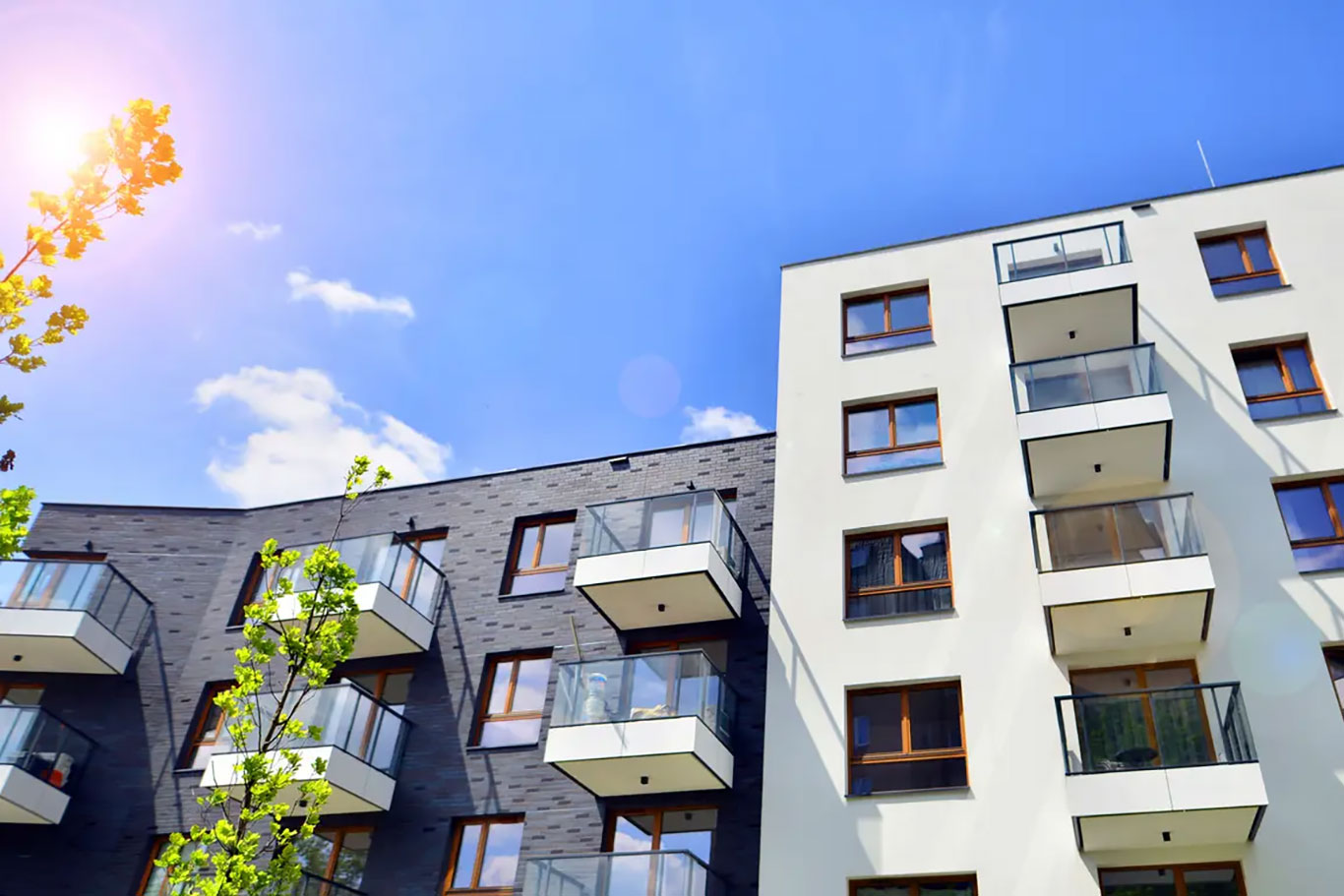



In the competitive landscape of UK property development, planning approval can hinge on technical details. One such crucial requirement is a daylight sunlight assessment. This process helps local authorities evaluate whether a proposed development will affect the natural light reaching surrounding buildings and spaces — an increasingly vital aspect of sustainable planning.
What is a Daylight Sunlight Assessment?
A daylight sunlight assessment examines the potential impact of a proposed development on the access to natural light of neighbouring properties. Typically required as part of a planning application, the assessment ensures that new buildings or extensions do not adversely affect existing dwellings by significantly reducing their daylight or sunlight.
This is especially relevant in urban areas where new developments can overshadow existing homes, gardens, or public areas.
Why is it Crucial for Planning Applications?
1. Compliance with BRE Guidelines
Most local authorities base their light assessments on the BRE Report “Site Layout Planning for Daylight and Sunlight – A Guide to Good Practice“. These nationally recognised guidelines help determine acceptable light levels and provide a benchmark for:
- Vertical Sky Component (VSC)
- Daylight Distribution (DD)
- Annual Probable Sunlight Hours (APSH)
A robust daylight sunlight assessment aligned with BRE guidelines demonstrates due diligence and significantly strengthens your application.
2. Avoiding Delays or Rejections
Planning applications without a proper daylight sunlight assessment may be delayed, rejected, or challenged. By proactively commissioning a qualified consultant like Hawkins Environmental, developers can address potential issues early and propose suitable mitigation if necessary.
3. Protecting Neighbouring Amenity
Preserving the living standards of existing residents is a core concern for planning officers. An accurate daylight sunlight assessment ensures that your development maintains a fair balance between growth and community impact, helping maintain positive neighbour relations and a smoother planning process.
What’s Included in a Typical Assessment?
A professional daylight sunlight assessment often includes:
- 3D modelling of the proposed development and surrounding area
- Measurement of existing and proposed light levels
- BRE-compliant analysis of VSC, APSH, and DD
- Impact assessment on internal and external areas (e.g. windows, gardens)
Who Needs a Daylight Sunlight Assessment?
You may require an assessment if:
- Your development is close to neighbouring homes or buildings
- The proposed structure exceeds a single storey
- You are building in dense urban environments
- There are objections raised on light loss grounds
Whether you’re a developer, architect, or planning consultant, a daylight sunlight assessment is a strategic tool that supports planning success.
Incorporating a daylight sunlight assessment into your planning strategy is more than a tick-box exercise — it’s a proactive measure to ensure compliance, safeguard neighbourly amenity, and support planning success. For expert support, tailored guidance, and accurate assessments, trust Hawkins Environmental.
Contact us today
Phone: 01256 522332
Email: enquiry@hawkinsenvironmental.co.uk
FAQs
Q1: Is a daylight sunlight assessment mandatory for planning?
A1: It’s not always mandatory, but it is highly recommended and often requested by planning officers, especially in built-up or sensitive urban areas. These assessments help demonstrate compliance with BRE guidelines and can be crucial in gaining approval, particularly where neighbouring properties may be affected by overshadowing or reduced light levels.
Q2: How long does a daylight sunlight assessment take?
A2: Typically, it takes 1–2 weeks depending on the size and complexity of the project. More extensive developments or those requiring detailed modelling may take longer. Early commissioning of the assessment is advised to avoid delays in the planning process and to allow sufficient time for revisions if needed.
Q3: Can an assessment help with planning objections?
A3: Yes. A professionally prepared daylight sunlight assessment can pre-emptively address or defend against concerns about overshadowing or light loss. It provides clear, evidence-based findings that support the planning application and can help resolve objections from neighbours or planning authorities more effectively, potentially reducing the risk of delays or refusals.