


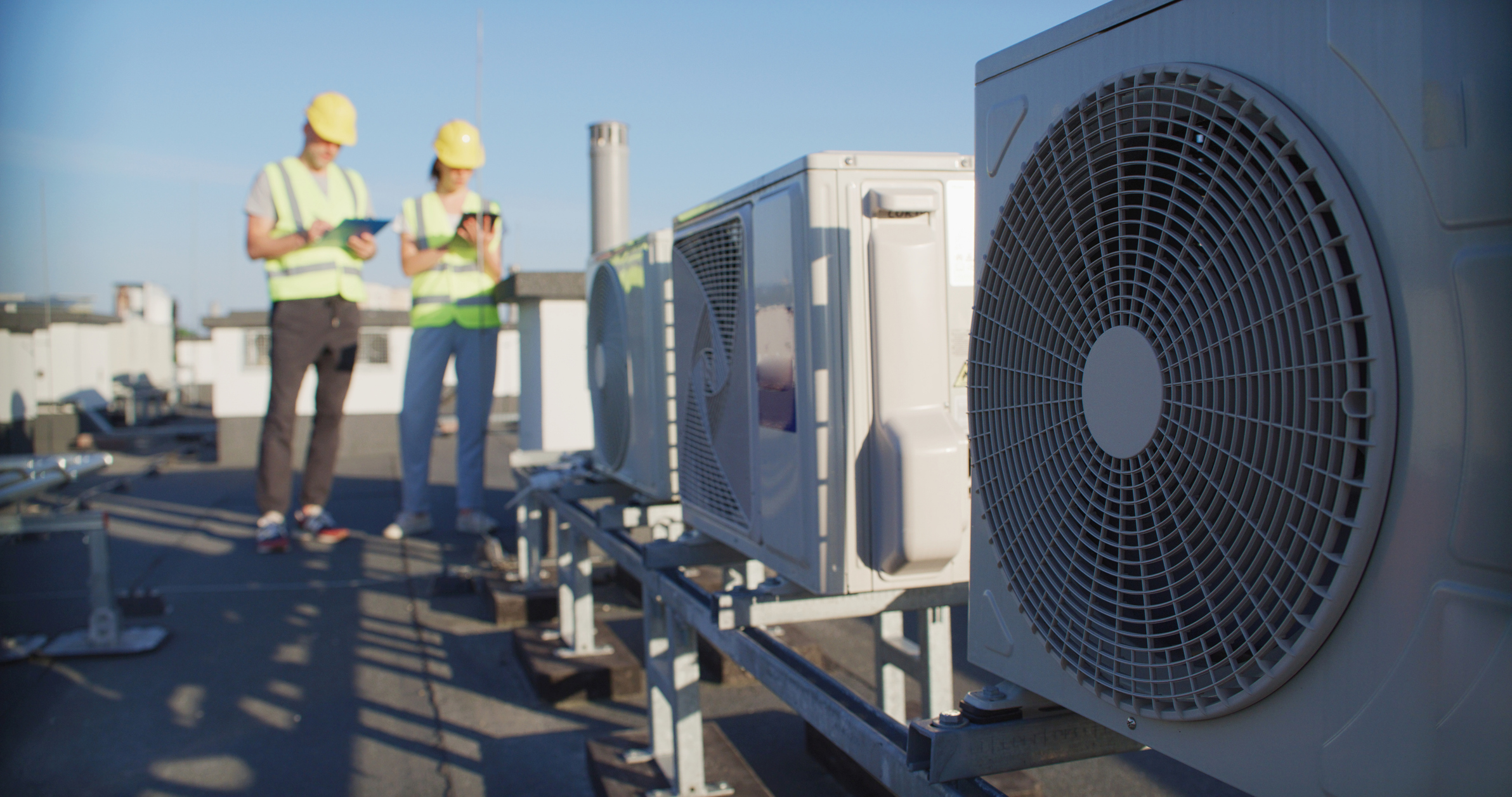
A plant noise impact assessment is often required where a development includes fixed building services or mechanical equipment that could affect nearby receptors. For commercial schemes, mixed-use developments and larger buildings, plant noise can become a material planning issue if it is not considered early enough.
Understanding when a plant noise impact assessment is needed and what it is designed to achieve can help project teams avoid late-stage issues and support a smoother planning process.
What Is a Plant Noise Impact Assessment?
A plant noise impact assessment is a technical review of the likely noise effects arising from fixed mechanical or electrical services associated with a development. This can include equipment such as air handling units, condensers, extract systems and other building plant.
The purpose of the assessment is to determine whether the operation of that equipment may affect nearby residential or other sensitive receptors, and whether mitigation may be required to make the proposal acceptable in planning terms.
Rather than focusing on the wider site noise environment, this type of assessment is specifically concerned with operational noise generated by the proposed plant.
When Is It Typically Required?
Not every development needs a plant noise impact assessment. It is usually required where new plant is proposed close to existing properties, or where local authority officers need reassurance that operational noise has been properly considered.
It is commonly relevant for:
- Commercial buildings with rooftop or external plant
- Mixed-use developments with building services near housing
- Restaurants, retail units or industrial premises with extract or cooling equipment
- Schemes where fixed services could operate during sensitive hours
The need for an assessment often depends on the type of plant, its location, expected operating pattern and the surrounding context.
Why Plant Noise Matters in Planning
Plant noise can cause disturbance if it affects nearby homes, offices or other sensitive uses, particularly when background sound levels are relatively low. Because of this, planning authorities often expect evidence that the likely operational noise has been assessed before permission is granted.
A plant noise impact assessment helps provide that evidence. It gives the design and planning team a clearer understanding of whether the equipment could create issues and whether acoustic mitigation or alternative placement may be needed.
It can also support communication with planning officers by showing that building services have been properly considered rather than left to a later stage.
What the Assessment Usually Covers
A plant noise impact assessment will vary depending on the scheme, but it generally considers the nature of the equipment, how it will operate and how close it is to sensitive receptors.
This may include:
- Reviewing the proposed plant specification and location
- Identifying the nearest receptors likely to be affected
- Assessing expected operational noise levels
- Considering whether mitigation is needed to reduce impact
The findings are then presented in a report that supports planning and helps guide design decisions where necessary.
Why Early Assessment Is Useful
Plant noise is often easier to address at design stage than after a planning submission has been made. If the issue is considered early, changes to plant selection, position, screening or acoustic treatment can be explored before the scheme is fixed.
Early assessment can help avoid:
- Late redesign of service layouts
- Additional planning queries
- Objections from neighbouring occupiers
- Delays linked to incomplete acoustic evidence
This can save time and help ensure that the proposed plant strategy is compatible with the wider planning approach.
Choosing the Right Support
A plant noise impact assessment needs to be technically robust, but also practical and planning-led. It should explain the likely noise effects clearly, identify whether mitigation is needed and support the wider project team in making informed decisions.
That is why specialist acoustic input is important, particularly on schemes where building services form a significant part of the proposal or where nearby receptors are especially sensitive.
FAQs
Q1: Does every development with fixed plant need a plant noise impact assessment?
No. It is usually needed where the plant could affect nearby sensitive receptors or where local planning requirements call for supporting noise evidence.
Q2: What types of equipment are considered in a plant noise impact assessment?
Typical examples include air handling units, condensers, extract systems and other fixed mechanical services associated with a development.
Q3: Can the assessment help improve the design?
Yes. Early advice can inform plant location, specification and mitigation before the planning application is submitted.
Summary
A plant noise impact assessment is an important planning tool where fixed services could affect nearby receptors. It helps assess the likely operational noise from proposed plant, supports design decisions and provides technical evidence for planning submissions.
Used early, it can reduce delays and help ensure that mechanical services are properly integrated into the wider development strategy.
If your project includes fixed plant and may require acoustic input, contact our team for specialist advice and practical planning support.
Phone: 0333 344 2399
Email: info@hawkinsenvironmental.co.uk
Contact Hawkins Environmental today on 01256 522332 or email enquiry@hawkinsenvironmental.co.uk.
Follow us on LinkedIn