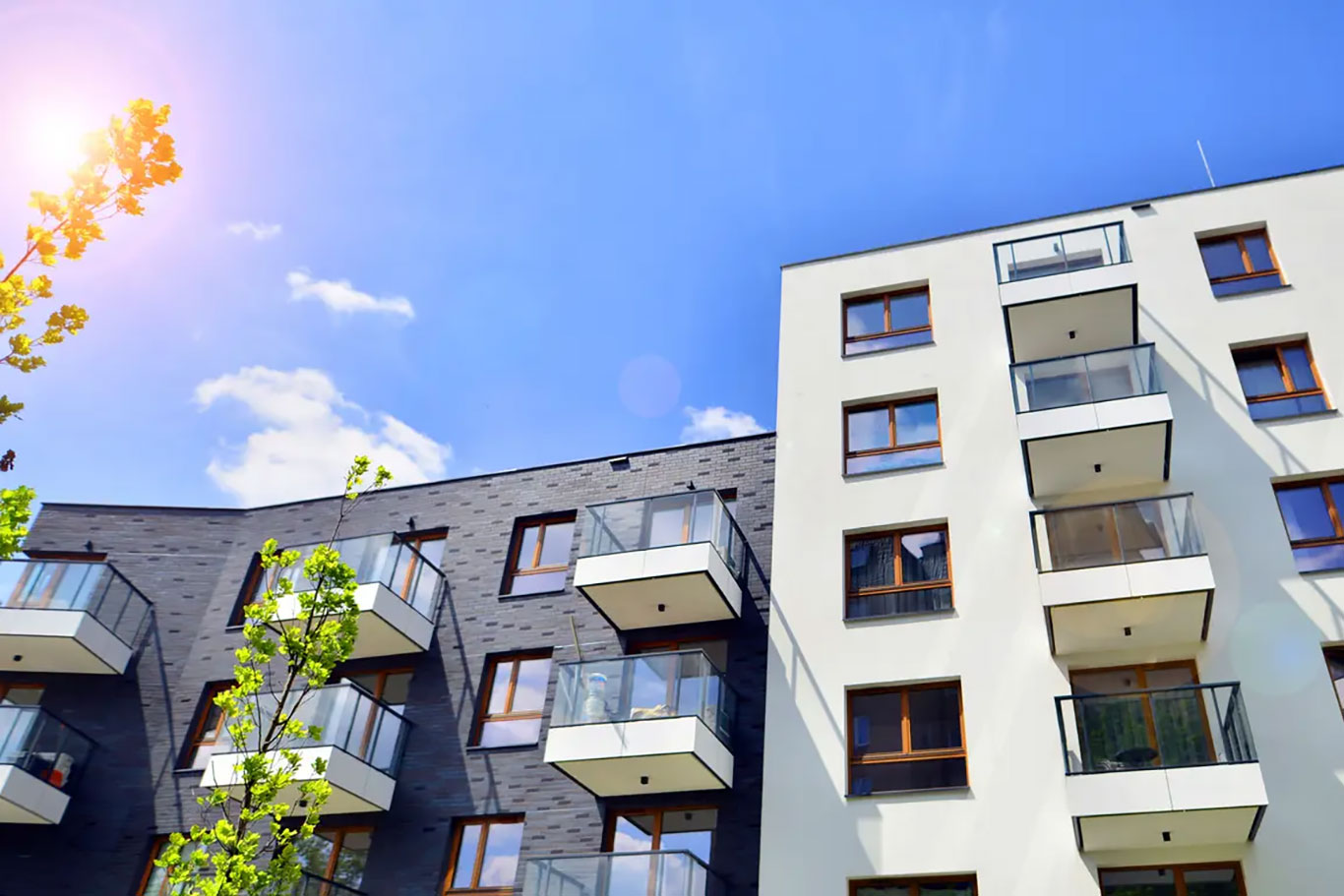



Achieving good daylight levels inside a building isn’t just a matter of comfort — it’s increasingly a requirement in UK planning policy. An internal daylight assessment is a crucial part of the planning process for many developments, particularly in urban settings. It ensures proposed rooms will receive adequate natural light and meet key benchmarks for liveability and compliance.
What is an Internal Daylight Assessment?
An internal daylight assessment evaluates how much natural light enters the interior spaces of a proposed development. It typically applies to habitable rooms such as living rooms, kitchens, and bedrooms. The goal is to ensure that these spaces meet acceptable standards for daylight levels, helping to create healthy and sustainable environments.
The assessment uses recognised methods — particularly those recommended in the BRE Guide: Site Layout Planning for Daylight and Sunlight — and includes calculations like:
- Average Daylight Factor (ADF): Measures daylight quantity based on room size, window placement, and surface reflectance.
- Daylight Distribution (No Sky Line – NSL): Shows how much of a room receives direct daylight.
- Spatial Daylight Autonomy (sDA): Used for more advanced simulations, particularly in larger developments.
Why is an Internal Daylight Assessment Required?
1. Planning Policy Compliance
Local authorities rely on internal daylight assessments to determine whether proposed dwellings will provide adequate living conditions. The National Planning Policy Framework (NPPF) encourages developments that foster good quality internal environments — especially in high-density areas. Without a proper assessment, planning applications risk being delayed or refused.
2. Ensuring Occupant Comfort
Natural light enhances occupant wellbeing, reducing reliance on artificial lighting, improving mental health, and supporting energy efficiency. An internal daylight assessment helps developers and designers optimise layouts for light — a crucial factor in housing quality.
3. Avoiding Design Revisions
Early internal daylight analysis can help avoid costly and time-consuming design changes further down the planning line. For instance, simple design tweaks such as enlarging windows or repositioning walls can significantly improve daylight performance — but only if identified in time.
4. Responding to Site Constraints
In constrained urban sites — where surrounding buildings may block light — a daylight assessment can prove that even challenging designs still meet acceptable standards. This can help defend a proposal from neighbour objections or planning committee queries.
What Does an Internal Daylight Assessment Involve?
A standard internal daylight assessment typically includes:
- Detailed 3D modelling of the proposed layout
- Calculation of ADF and NSL for each habitable room
- Comparison against BRE targets
- Visualisations or contour maps (where needed)
- Recommendations to improve compliance if needed
These are usually submitted as part of a Daylight & Sunlight Report to the local planning authority.
When Do You Need an Internal Daylight Assessment?
You’ll likely need one if your development:
- Includes new residential units or changes to layout affecting habitable spaces
- Is located in a dense or built-up area
- Involves basement dwellings or deep floor plans
- Is subject to pre-application advice suggesting one
Consulting an expert early in the process — like Hawkins Environmental — ensures this requirement is handled professionally and efficiently.
An internal daylight assessment is an essential part of ensuring that homes are not just buildable, but liveable. It supports better design, protects future occupants’ wellbeing, and smooths the path to planning approval. For reliable, BRE-compliant assessments, Hawkins Environmental offers clear, expert guidance tailored to your development.
Contact us today
Phone: 01256 522332
Email: enquiry@hawkinsenvironmental.co.uk
Daylight & Sunlight Assessment Services
FAQs
Q1: Is an internal daylight assessment the same as a daylight and sunlight assessment?
A1: Not exactly. While both relate to natural light, internal assessments focus on the amount of daylight within the proposed development, while daylight and sunlight assessments also consider the impact on neighbouring properties.
Q2: How accurate are internal daylight assessments?
A2: When conducted using up-to-date 3D modelling and BRE methods, internal daylight assessments are highly accurate and widely accepted by UK planning authorities.
Q3: Can poor daylight levels affect planning approval?
A3: Yes. If proposed rooms fail to meet daylight standards, planning officers may request design revisions or refuse permission until acceptable daylight levels are achieved.