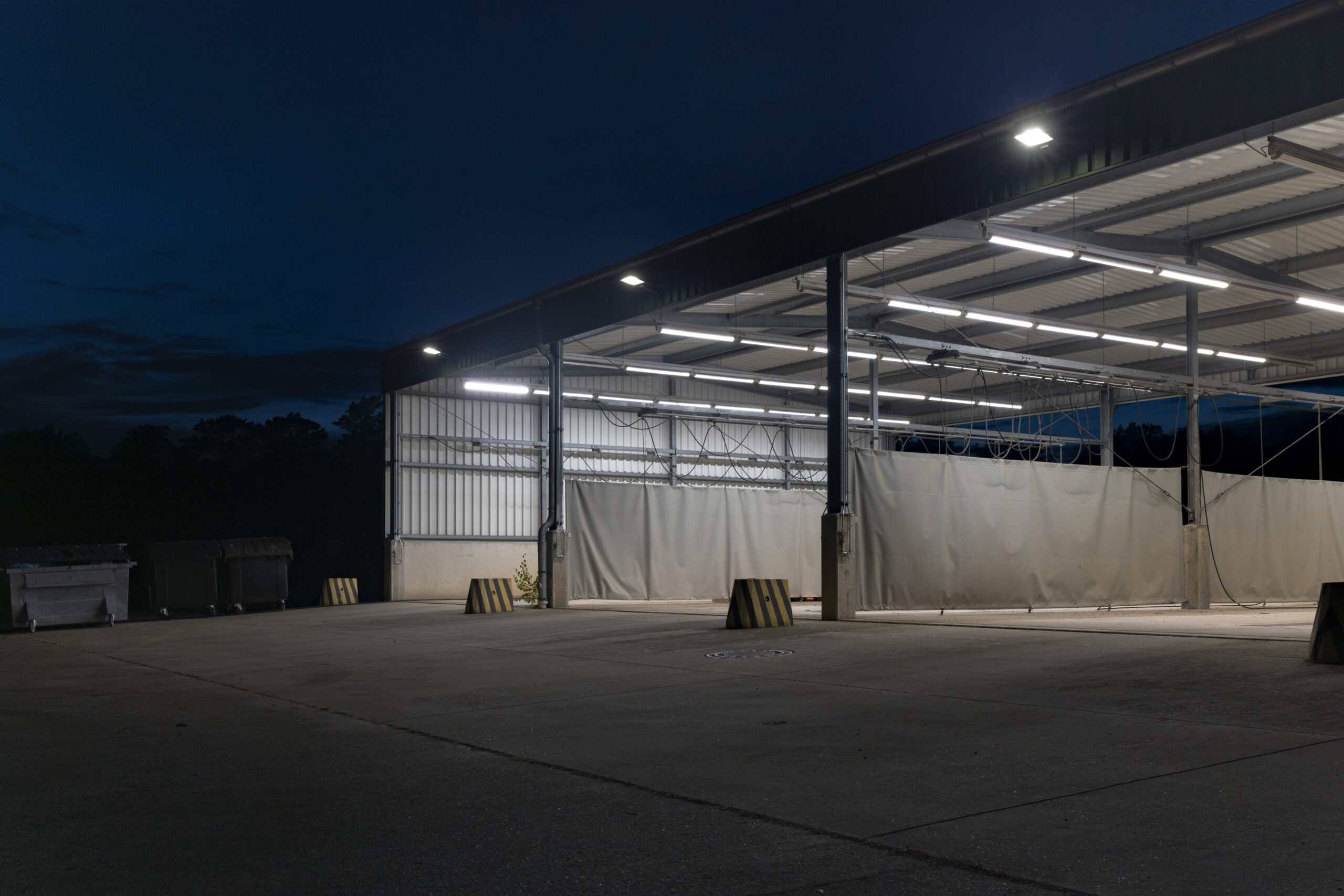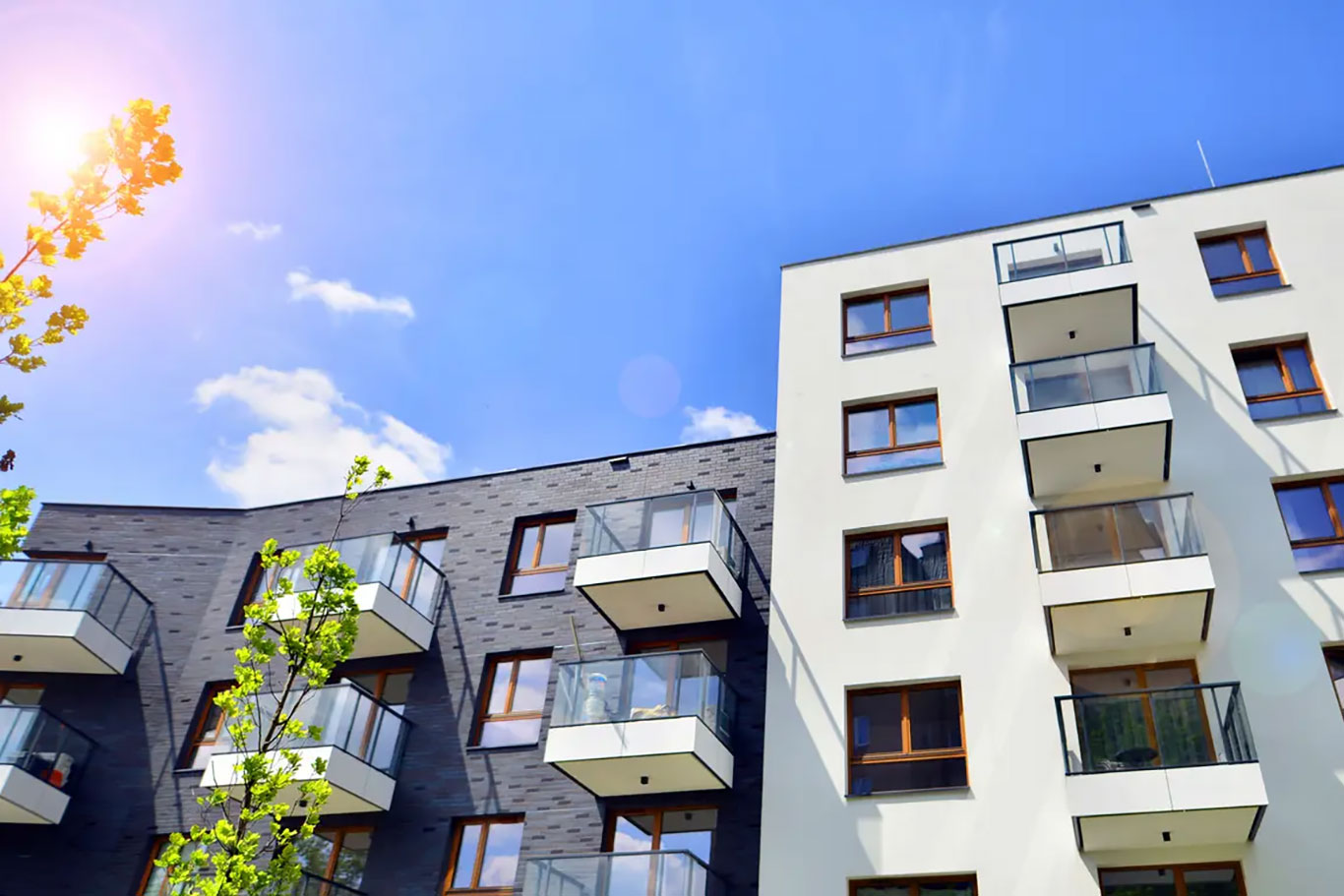



Lighting assessments are commonly required during the planning process where external lighting could affect neighbouring properties, transport infrastructure, ecology or the wider visual environment. As development projects become increasingly complex, local authorities often expect developers to demonstrate that proposed lighting schemes have been carefully considered and designed appropriately for their surroundings.
In the UK, lighting assessments are regularly used for residential, commercial, industrial and mixed-use developments where artificial lighting may influence environmental quality, residential amenity or local character.
For architects, planners and developers, understanding the guidance that applies to lighting assessments can help avoid planning delays and support more effective design decisions during the early stages of a project.
Supporting Questions
- What is a lighting assessment?
- Which developments commonly require one?
- What UK guidance is used for lighting assessments?
- How can lighting affect neighbouring properties?
- What mitigation measures are commonly recommended?
What is a lighting assessment?
A lighting assessment is a technical study used to evaluate the potential effects of artificial lighting associated with a proposed development.
The assessment may consider:
- Light spill beyond the site boundary
- Visual impact of lighting columns or fittings
- Effects on neighbouring residential properties
- Highway and transport safety considerations
- Ecological impacts
- Character and appearance of the surrounding area
Lighting assessments are often submitted alongside planning applications where external lighting forms part of the proposed development.
Why are lighting assessments important?
Artificial lighting can significantly affect how an environment functions and feels, particularly during evening and night-time hours.
Poorly designed lighting schemes can lead to issues such as:
- Excessive glare
- Light trespass into neighbouring homes
- Visual intrusion
- Ecological disturbance
- Reduced local amenity
Planning authorities therefore frequently require evidence that lighting has been designed sensitively and appropriately for the site context.
This is particularly important in residential areas, rural settings and environmentally sensitive locations.
Which developments commonly require lighting assessments?
Lighting assessments are commonly associated with developments involving substantial external illumination.
Typical examples include:
- Commercial developments
- Industrial and logistics facilities
- Sports facilities
- Car parks
- Residential developments
- Mixed-use schemes
- Public realm projects
- Infrastructure developments
Assessments are also frequently required where developments are proposed close to existing residential properties or environmentally sensitive areas.
What UK guidance is commonly used?
Lighting assessments in the UK are typically informed by a combination of planning policy, professional guidance and industry standards.
One of the most widely referenced sources is guidance produced by the Institution of Lighting Professionals (ILP).
This guidance helps assess:
- Environmental lighting zones
- Obtrusive lighting limits
- Glare control
- Sky glow
- Light spill
Local planning authorities may also have their own lighting policies or supplementary planning guidance which developers are expected to consider during project design.
What are environmental lighting zones?
Environmental lighting zones are classifications used to describe the sensitivity of different locations to artificial lighting.
For example:
- Rural areas may be considered highly sensitive
- Suburban residential areas typically require moderate control
- Busy town centres may allow higher lighting levels
The applicable zone influences acceptable lighting thresholds for factors such as glare and light spill.
Assessments therefore often consider both the development itself and the character of the surrounding environment.
How can lighting affect neighbouring properties?
External lighting can affect neighbouring occupiers in several ways if not carefully designed.
Potential issues may include:
- Light entering bedroom windows
- Excessive brightness or glare
- Visual disturbance from floodlighting
- Reduced privacy
- Changes to the night-time character of an area
Planning authorities commonly review whether lighting proposals could create unreasonable impacts on nearby residential amenity.
This is particularly important for developments operating during evening or night-time hours.
Why are ecological impacts sometimes considered?
Artificial lighting can affect wildlife and ecological habitats, particularly in sensitive rural or semi-rural environments.
Lighting assessments may therefore consider potential impacts on:
- Bats
- Birds
- Invertebrates
- Protected habitats
- Ecological corridors
Where ecological sensitivities exist, lighting strategies may need to incorporate:
- Reduced lighting intensity
- Controlled operating hours
- Directional lighting
- Shielding measures
- Warm colour temperature lighting
Environmental consultants often coordinate with ecologists where ecological impacts are relevant to a planning application.
How do architects and designers reduce lighting impacts?
Lighting impacts can often be significantly reduced through careful design and coordination during the early stages of a project.
Potential mitigation measures may include:
- Lower mounting heights
- Directional luminaires
- Shielded fittings
- Motion-sensitive controls
- Reduced operating hours
- Appropriate lighting intensity selection
Architects and lighting designers frequently work together to balance operational requirements with environmental considerations.
This helps ensure the lighting scheme remains functional while minimising unnecessary visual or environmental impacts.
Why is lighting considered alongside other environmental assessments?
Lighting assessments are often undertaken as part of a wider environmental planning strategy.
Depending on the site, developments may also require:
- Air quality assessments
- Environmental noise surveys
- Daylight and sunlight assessments
- Transport studies
- Ecological assessments
Considering these issues together allows development teams to identify environmental constraints more effectively and coordinate mitigation strategies early in the design process.
How do planning authorities assess lighting proposals?
Planning officers typically review lighting assessments to determine whether a proposal aligns with local planning policy and environmental guidance.
They may consider:
- The sensitivity of surrounding receptors
- Operational hours
- Lighting intensity
- Potential cumulative impacts
- Proposed mitigation measures
Where concerns remain unresolved, authorities may request amendments to the lighting design before granting approval.
This is why early assessment and coordination are often beneficial.
Can lighting design improve development quality?
Yes. Thoughtful lighting design can improve both functionality and visual quality within a development.
Well-designed lighting may help:
- Improve wayfinding and safety
- Enhance public spaces
- Support operational requirements
- Reduce unnecessary energy use
- Minimise visual clutter
The most successful schemes typically integrate lighting design into the wider architectural and environmental strategy rather than treating it as a late-stage addition.
Frequently Asked Questions
Do all developments require lighting assessments?
No. Requirements depend on the type, scale and location of the development, along with the potential environmental impacts of the proposed lighting.
What is light spill?
Light spill refers to artificial light extending beyond the intended area and affecting neighbouring properties or surrounding environments.
Why are rural areas more sensitive to lighting?
Rural areas generally experience lower existing background lighting levels, making artificial lighting more visually prominent.
Can planning permission be refused because of lighting impacts?
Potentially. Significant unresolved lighting concerns can become a material planning issue, particularly where residential amenity or ecological impacts are involved.
Are lighting assessments only for large commercial schemes?
No. Smaller developments may also require assessment depending on their location and the nature of the proposed lighting.
Lighting assessments play an important role in helping developments balance operational needs with environmental and planning considerations. Early coordination between architects, planners and environmental consultants can help reduce risks while supporting more effective and sensitive lighting design.
For support with lighting assessments and environmental planning consultancy, contact Hawkins Environmental.
Phone: 01243 532766
Email: enquiries@hawkinsenvironmental.co.uk
Find out more: Hawkins Environmental