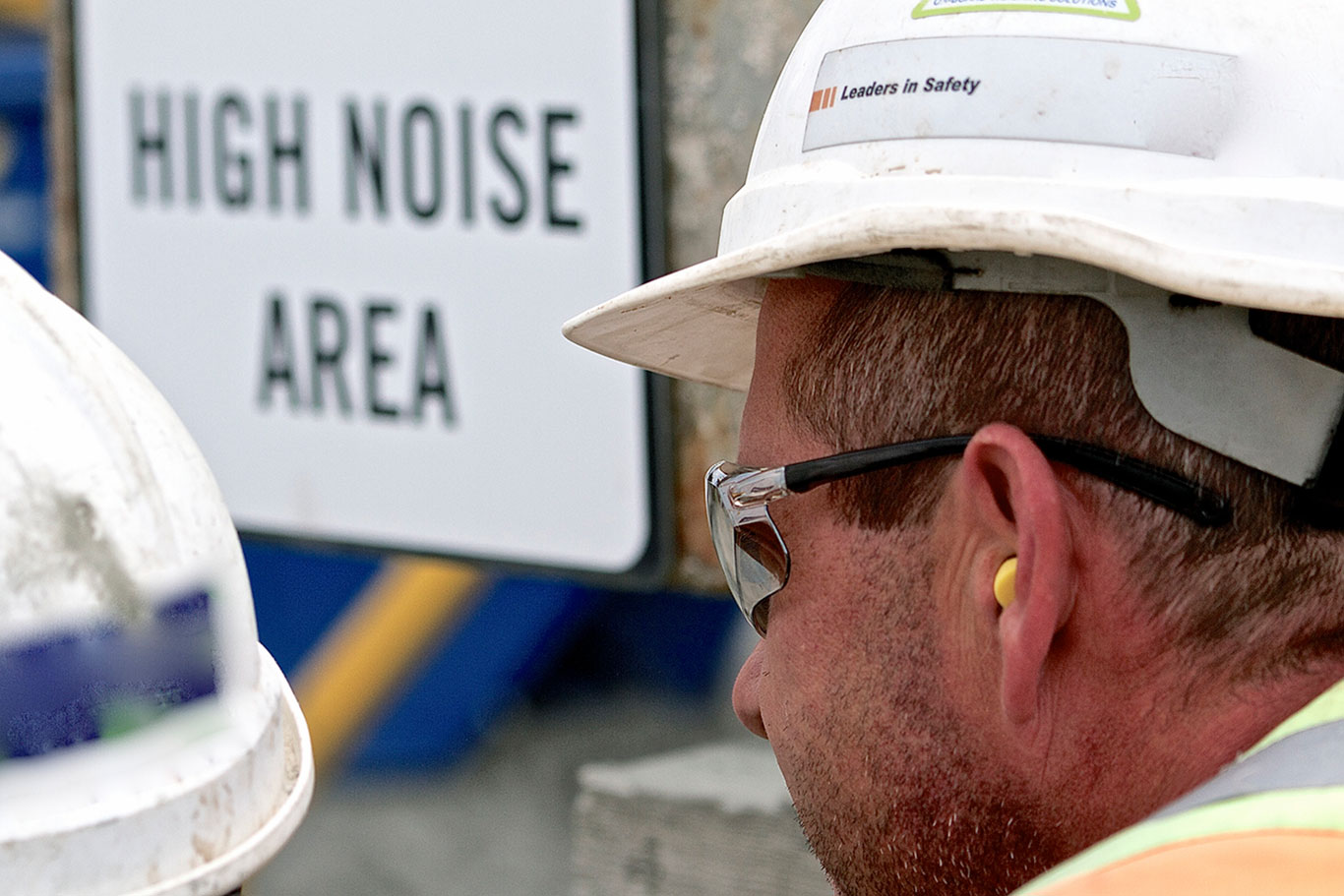



Construction noise impacts are a major consideration for many development projects across the UK, particularly in urban areas where sites are located close to homes, schools, offices and healthcare facilities. Noise generated during demolition, groundworks and construction activity can affect neighbouring occupiers and become a significant issue during the planning and delivery stages of a project.
Because of this, developers, contractors and planning authorities increasingly place strong emphasis on construction noise management from the earliest stages of a scheme.
Managing noise impacts effectively is not simply about avoiding complaints. It also helps projects maintain good relationships with surrounding communities, comply with planning requirements and reduce the risk of disruption-related delays.
Supporting Questions
- What causes construction noise impacts?
- Why is construction noise management important?
- What measures are commonly used to reduce noise?
- How do planning authorities assess construction noise?
- What role do environmental consultants play during projects?
Why is construction noise a planning concern?
Construction activity often involves heavy machinery, demolition equipment, deliveries and temporary works that can create significant short-term noise impacts.
In densely populated areas, these impacts may affect:
- Residential properties
- Schools and nurseries
- Offices
- Healthcare facilities
- Hotels
- Community spaces
Planning authorities therefore frequently require developers to demonstrate how construction impacts will be controlled during the build process.
This may form part of a wider Construction Environmental Management Plan or supporting environmental assessment documentation.
What activities commonly generate construction noise?
Noise levels can vary significantly throughout a project depending on the construction phase.
Common noise-generating activities include:
- Demolition works
- Piling operations
- Excavation and groundworks
- Concrete breaking
- Vehicle movements
- Material deliveries
- Use of generators and temporary plant
- Steelwork installation
Some activities create continuous background noise, while others produce short-duration but higher-intensity sound events.
The surrounding site context strongly influences how noticeable and disruptive these activities become.
Why are urban construction projects more sensitive?
Construction projects in urban areas often face greater environmental constraints because neighbouring receptors are located much closer to the site boundary.
Challenges commonly include:
- Limited separation distances
- Existing residential density
- Constrained access routes
- Longer working durations
- Overlapping developments nearby
As a result, local authorities may impose stricter controls on working hours, delivery schedules and site operations.
Projects near schools, hospitals or residential developments often require particularly careful management.
How do developers assess construction noise impacts?
Construction noise impacts are often assessed before works begin so that mitigation measures can be incorporated into the project strategy.
Assessments may consider:
- The type of construction activity
- Expected duration of works
- Distance to nearby receptors
- Existing background sound levels
- Potential cumulative impacts
Environmental consultants may prepare technical assessments to support planning submissions or discharge planning conditions.
These studies help identify where mitigation measures may be needed before construction starts.
What noise impact mitigation measures are commonly used?
Construction projects typically use a combination of operational controls and physical mitigation measures to reduce environmental noise impacts.
Common approaches include:
- Restricting noisy activities to agreed working hours
- Using quieter equipment where possible
- Positioning plant away from sensitive receptors
- Installing temporary acoustic barriers
- Managing vehicle routing and deliveries
- Maintaining machinery properly
- Sequencing works carefully to minimise prolonged disruption
The effectiveness of these measures depends on the nature of the site and the surrounding environment.
How important are working hours?
Working hours are often one of the most significant controls applied to construction projects.
Local authorities commonly restrict noisy works to daytime weekday hours, particularly near residential areas.
This helps reduce disturbance during evenings, nights and weekends when occupants are more sensitive to environmental noise.
Where projects require extended working hours, additional assessment and justification may be needed.
Communication with local authorities and nearby occupiers also becomes increasingly important in these situations.
How do contractors communicate with local communities?
Good communication is often a key part of successful construction noise management.
Many projects provide:
- Advance notice of noisy works
- Dedicated contact details for enquiries
- Updates on project progress
- Temporary traffic information
- Community liaison meetings on larger schemes
Clear communication can help manage expectations and reduce complaints during disruptive phases of construction.
For larger urban developments, proactive engagement with local residents is now commonly expected.
What role do environmental consultants play?
Environmental consultants often support construction projects throughout both the planning and delivery stages.
Their role may include:
- Preparing construction noise assessments
- Advising on mitigation strategies
- Supporting planning condition discharge
- Coordinating with architects and contractors
- Reviewing environmental compliance requirements
On more complex developments, consultants may continue advising during active construction phases to help monitor environmental performance and respond to changing site conditions.
This collaborative approach helps ensure environmental risks are identified and managed early.
How do planning authorities regulate construction noise?
Local authorities typically regulate construction noise through planning conditions and environmental health legislation.
Requirements may include:
- Agreed working hours
- Noise mitigation measures
- Construction management plans
- Restrictions on specific activities
- Complaint management procedures
Failure to manage construction impacts appropriately can lead to enforcement action, project delays or reputational issues.
This is why environmental planning is often integrated into project management from an early stage.
Can construction design reduce future noise impacts too?
Yes. While temporary construction impacts are important, many developments also consider long-term environmental noise conditions within the final completed scheme.
For example, architects and consultants may assess:
- Building orientation
- Façade design
- Acoustic glazing
- Ventilation systems
- Amenity space placement
This integrated approach helps ensure both the construction process and the completed development respond appropriately to environmental noise considerations.
Guidance from GOV.UK planning and noise guidance supports planning authorities and development teams when considering noise-related planning matters.
Why is early planning important?
Managing construction noise effectively usually starts long before physical works begin.
Early planning allows project teams to:
- Identify environmental constraints
- Coordinate mitigation measures
- Programme noisy works appropriately
- Engage with local stakeholders
- Reduce planning risks
Construction noise management is often considered alongside related environmental studies such as air quality assessments, daylight assessments and environmental noise surveys for completed developments.
This joined-up approach can improve both planning efficiency and project delivery outcomes.
Frequently Asked Questions
Do all construction projects require noise assessments?
Not always. Requirements depend on the scale of the project, nearby receptors and local authority expectations.
What is considered unacceptable construction noise?
There is no single universal threshold. Acceptability depends on factors such as location, duration, timing and the nature of the surrounding environment.
Can local residents complain about construction noise?
Yes. Environmental health departments can investigate complaints where construction noise is considered excessive or outside agreed working conditions.
Are weekend construction works restricted?
Often, yes. Many local authorities apply tighter restrictions to noisy weekend working near residential areas.
Who is responsible for managing construction noise?
Responsibility is typically shared between developers, contractors and environmental consultants throughout the project lifecycle.
Construction projects inevitably generate some level of environmental noise, but careful planning and mitigation can significantly reduce impacts on surrounding communities. Early environmental assessment and proactive management help projects remain compliant while supporting smoother delivery throughout the construction process.
For support with construction noise assessments and environmental planning consultancy, contact Hawkins Environmental.
Phone: 01243 532766
Email: enquiries@hawkinsenvironmental.co.uk
Find out more: Hawkins Environmental