

A daylight and sunlight assessment is commonly required during the planning process when a proposed development could affect natural light levels to neighbouring properties or future occupants. These assessments are widely used for residential, mixed-use and urban developments where building scale, massing or proximity may create concerns about overshadowing or loss of light.
In many parts of the UK, local planning authorities expect developers to demonstrate that schemes have been designed with appropriate consideration for daylight and sunlight impacts. This is particularly important on constrained urban sites or developments located close to existing homes and apartments.
For architects, planning consultants and developers, understanding when a daylight and sunlight assessment may be required can help reduce planning risks and support more informed design decisions from the outset.
Supporting Questions
- What does a daylight and sunlight assessment measure?
- Which developments usually require one?
- Why are BRE guidelines important?
- How can building design affect daylight performance?
- What happens if neighbouring properties are impacted?
What is a daylight and sunlight assessment?
A daylight and sunlight assessment is a technical study used to evaluate how a proposed development may affect natural light conditions.
The assessment typically considers two key areas:
- The impact on neighbouring properties
- The daylight and sunlight conditions within the proposed development itself
Specialist software and modelling techniques are commonly used to assess how buildings interact with natural light throughout the year.
The findings are usually presented within a daylight and sunlight report submitted alongside a planning application.
Why are these assessments important in planning?
Natural light is an important part of creating healthy and usable living environments. Poor daylight conditions can affect residential amenity, occupant comfort and the overall quality of a development.
Planning authorities therefore often require evidence that:
- Existing neighbouring properties will not experience unacceptable reductions in light
- Proposed residential units achieve appropriate daylight standards
- Outdoor spaces receive suitable sunlight access
- Building layouts respond appropriately to site constraints
In urban environments where buildings are positioned close together, daylight and sunlight assessments are frequently an important consideration during planning review.
Which developments commonly require a daylight and sunlight assessment?
Not every development requires one, but assessments are commonly requested for:
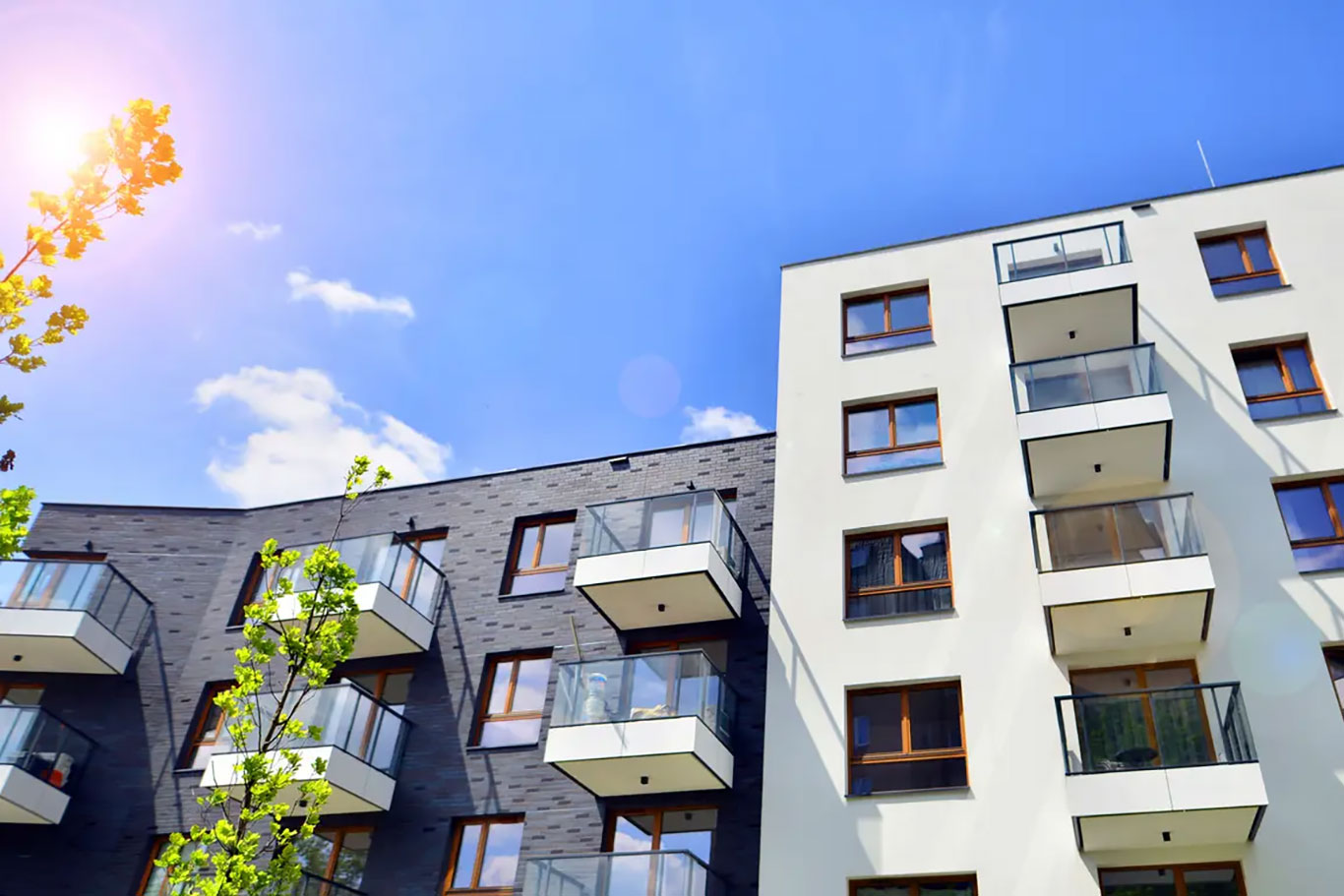
- Apartment schemes
- Mixed-use developments
- Tall buildings
- Large residential extensions
- Infill developments
- Urban redevelopment sites
The likelihood of a requirement often increases where developments are close to neighbouring residential windows or amenity spaces.
Sites in dense urban areas are particularly likely to require detailed assessment because of the increased potential for overshadowing and obstruction of natural light.
What guidance is normally used?
In the UK, daylight and sunlight assessments are commonly undertaken with reference to guidance published by the Building Research Establishment (BRE).
The BRE document “Site Layout Planning for Daylight and Sunlight” is widely recognised within the planning industry and is frequently referenced by local planning authorities.
The guidance provides methodologies for assessing:
- Daylight to neighbouring windows
- Sunlight access to neighbouring properties
- Overshadowing of amenity areas
- Internal daylight conditions
The assessment process is intended to support balanced planning decisions rather than impose rigid pass-or-fail rules.
How can developments affect neighbouring properties?
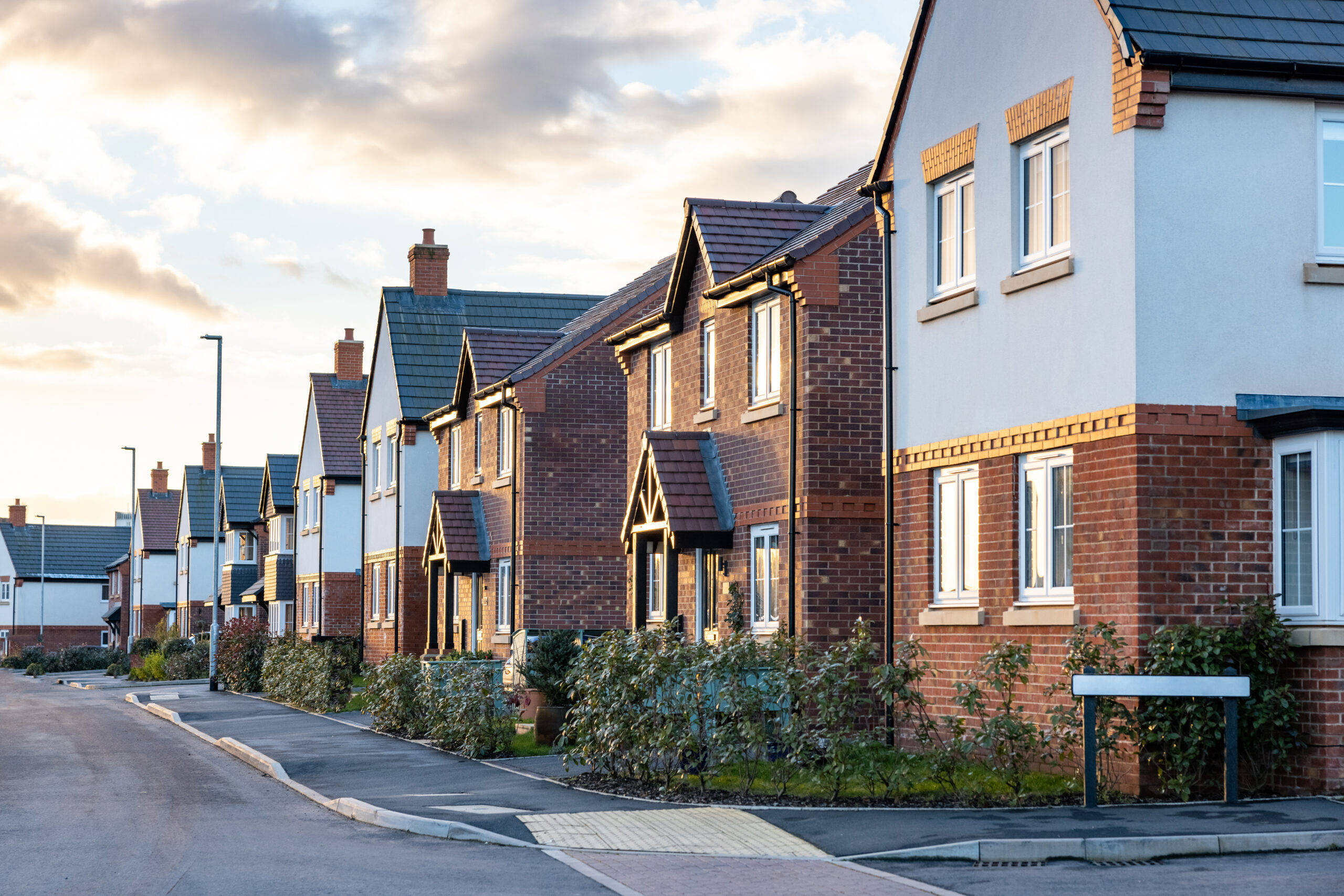
A proposed building can reduce natural light reaching nearby homes if it obstructs daylight paths or casts additional shadow over neighbouring windows and outdoor spaces.
Potential impacts may include:
- Reduced daylight to habitable rooms
- Increased overshadowing of gardens
- Reduced sunlight to balconies or communal spaces
- Changes to the outlook from neighbouring properties
The scale of the impact depends on factors such as:
- Building height
- Separation distances
- Site orientation
- Window positioning
- Existing urban context
Because every site is different, assessments are highly site-specific.
Why are urban developments assessed differently?
In dense towns and cities, achieving perfect daylight conditions is not always realistic due to the surrounding built environment.
Planning authorities often consider the wider urban context when reviewing daylight and sunlight impacts.
For example, city centre developments may be assessed differently from suburban schemes where buildings are generally lower density and further apart.
This is why assessments involve professional interpretation alongside technical calculations.
How does site orientation influence sunlight?
The orientation of buildings plays a major role in how daylight and sunlight move across a site.
South-facing spaces generally receive the highest sunlight exposure, while north-facing elevations often receive more limited direct sunlight.
Architects frequently use orientation studies during the design stage to improve:
- Internal daylight distribution
- Sunlight access to amenity areas
- Building efficiency
- Residential comfort
Even relatively small design adjustments can sometimes significantly improve daylight performance.
How do architects use daylight assessments during design?
Daylight and sunlight assessments are often used as design tools rather than simply planning documents.
Architects and environmental consultants may collaborate throughout the early stages of a project to test different design options and identify potential issues before planning submission.
This process can help:
- Refine building massing
- Adjust window placement
- Improve courtyard design
- Reduce overshadowing
- Optimise residential layouts
Early environmental input can therefore reduce the likelihood of planning objections or redesign work later in the process.
What happens if a development fails BRE guidance?
A development exceeding BRE guideline recommendations does not automatically mean planning permission will be refused.
Planning authorities usually consider a range of factors including:
- Existing urban conditions
- Housing delivery priorities
- Design quality
- Site constraints
- Overall planning balance
In some situations, reduced daylight impacts may still be considered acceptable depending on the context and wider public benefits of the scheme.
The assessment therefore forms part of the overall planning judgement rather than acting as a standalone approval test.
Are internal daylight conditions also assessed?
Yes. Modern planning expectations increasingly focus on the quality of accommodation within proposed developments themselves.
Assessments may consider whether new residential units receive suitable levels of daylight and sunlight based on room layouts, glazing design and building orientation.
This is particularly relevant for:
- Apartment developments
- Build-to-rent schemes
- Student accommodation
- Mixed-use developments
The aim is to help create practical, comfortable and sustainable internal environments for future occupants.
How early should a daylight assessment be commissioned?
It is generally beneficial to commission a daylight and sunlight assessment early in the design process.
Early assessment allows design teams to:
- Identify constraints quickly
- Test alternative layouts
- Reduce planning risk
- Coordinate with other environmental studies
- Improve overall development quality
Assessments are often undertaken alongside related studies such as air quality assessments and environmental noise surveys depending on the characteristics of the site.
Frequently Asked Questions
Is a daylight and sunlight assessment only needed for tall buildings?
No. Smaller developments can also require assessment where neighbouring properties may be affected by overshadowing or loss of light.
Do local authorities always follow BRE guidance exactly?
Not necessarily. BRE guidance is widely used, but planning authorities often apply professional judgement based on the wider context of the site.
Can daylight issues delay planning permission?
Yes. Significant unresolved daylight concerns can lead to planning objections, requests for revisions or delays during the planning process.
What rooms are usually assessed?
Habitable rooms such as living rooms, dining rooms and bedrooms are commonly assessed because these spaces rely most heavily on natural light.
Can a design be changed after an assessment?
Yes. Assessments are often used to inform design revisions and improve the overall performance of a scheme before submission.
A daylight and sunlight assessment plays an important role in helping developments respond appropriately to surrounding properties, site constraints and planning expectations. Early assessment can support more efficient planning submissions while helping architects and developers create better-performing spaces.
For support with daylight and sunlight assessments and wider environmental planning consultancy, contact Hawkins Environmental.
Phone: 01243 532766
Email: enquiries@hawkinsenvironmental.co.uk
Find out more: Hawkins Environmental
Contact Hawkins Environmental today on 01256 522332 or email enquiry@hawkinsenvironmental.co.uk.
Follow us on LinkedIn