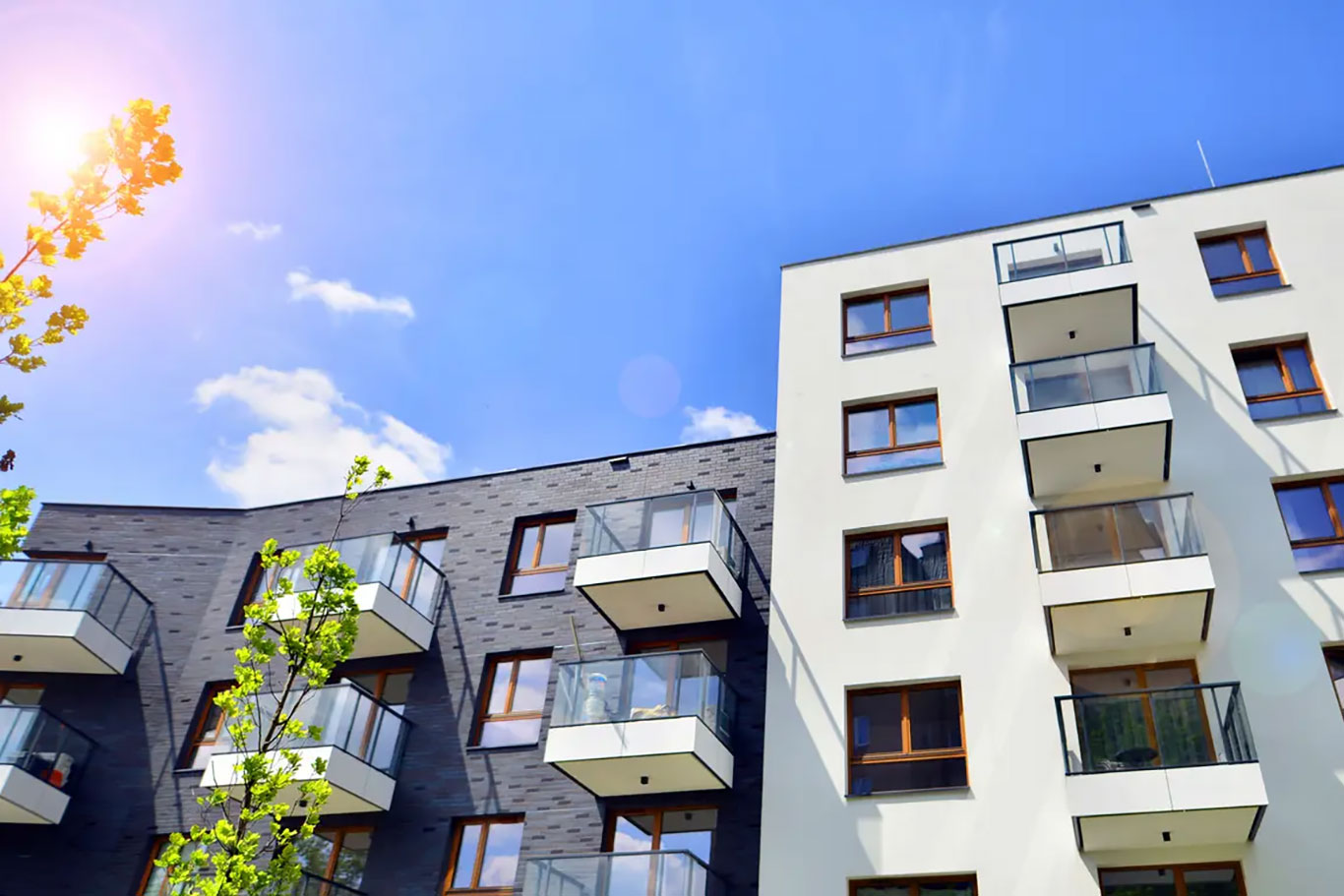



Improving daylight performance in buildings is an important part of modern architectural design. Natural light affects how spaces feel, function and perform, particularly within residential and mixed-use developments where occupant wellbeing and planning compliance are key considerations.
Architects increasingly need to balance site constraints, planning requirements, sustainability goals and residential quality standards while maximising daylight access throughout a building.
In urban environments especially, achieving good daylight performance can become challenging due to surrounding buildings, constrained plots and density pressures. This is why daylight considerations are often integrated into projects from the earliest design stages.
A well-designed approach to daylight can improve internal environments, support planning applications and reduce the need for costly redesigns later in the process.
Supporting Questions
- Why is daylight performance important in architecture?
- How does building orientation affect natural light?
- What design strategies improve daylight distribution?
- How do glazing and window placement influence daylight?
- Why are daylight assessments useful during design?
Why does daylight performance matter?
Natural daylight plays a major role in the quality and usability of indoor spaces. Buildings with better daylight performance often feel more open, comfortable and visually appealing.
From a planning perspective, daylight performance can also influence whether developments meet local authority expectations regarding residential amenity and internal living quality.
Good daylight design may contribute to:
- Improved occupant comfort
- Reduced reliance on artificial lighting
- Better energy efficiency
- Enhanced perception of internal space
- More attractive residential environments
In many developments, daylight performance is considered alongside ventilation, overheating, noise and sustainability during the design process.
How does building orientation affect daylight?
One of the most significant factors influencing daylight performance is building orientation.
The position of a building relative to the sun affects how natural light enters internal spaces throughout the day and across different seasons.
In the UK:
- South-facing elevations generally receive the greatest amount of sunlight
- East-facing rooms receive stronger morning light
- West-facing rooms receive more afternoon and evening sunlight
- North-facing spaces typically receive softer and more consistent daylight
Architects often use orientation studies during the early stages of a project to optimise room layouts and glazing placement.
Even on constrained sites, careful orientation planning can significantly improve internal daylight conditions.
Why is window placement so important?
Window design has a major influence on how daylight spreads within a building.
Factors affecting daylight performance include:
- Window size
- Glazing height
- Position within the wall
- Room depth
- External obstructions
For example, taller windows can help daylight penetrate deeper into internal spaces, while poorly positioned glazing may create uneven lighting or excessive overshadowing.
Architects often balance daylight access with other design considerations such as privacy, overheating, energy efficiency and external appearance.
How can internal layouts improve daylight?
The arrangement of rooms within a building can strongly influence daylight quality.
Habitable rooms such as living rooms and kitchens are often prioritised for stronger daylight access, while circulation areas, bathrooms and storage spaces may be positioned in less naturally lit parts of the building.
Open-plan layouts can also improve daylight distribution by allowing light to travel more effectively through internal spaces.
In residential developments, designers may consider:
- Room depth
- Ceiling heights
- Partition placement
- Internal glazing
- Corridor arrangements
These decisions can significantly affect how bright and usable a space feels in practice.
Why are urban sites more challenging?
Dense urban developments often face greater daylight constraints because surrounding buildings can restrict sunlight and obstruct sky visibility.
Challenges commonly include:
- Narrow development plots
- Adjacent tall buildings
- Limited separation distances
- Courtyard overshadowing
- Competing planning priorities
In these situations, architects frequently work alongside environmental consultants to test different massing and layout options during the design phase.
The goal is often to achieve the best possible balance between development density and residential quality.
How do architects reduce overshadowing?
Overshadowing occurs when a building blocks sunlight reaching neighbouring properties or external spaces.
To reduce overshadowing impacts, architects may consider:
- Stepping back upper floors
- Altering building massing
- Adjusting roof forms
- Increasing separation distances
- Repositioning taller elements
These changes can sometimes improve both neighbouring amenity and the daylight performance of the proposed development itself.
Overshadowing studies are commonly undertaken as part of daylight and sunlight assessments submitted for planning applications.
What role does glazing design play?
Glazing strategy is one of the most influential aspects of daylight optimisation.
Architects often need to balance several competing factors including:
- Daylight access
- Solar gain
- Overheating risk
- Energy efficiency
- Acoustic performance
- Privacy concerns
Larger glazing areas can improve daylight penetration, but excessive glazing may also increase overheating or glare if not carefully designed.
Modern building design therefore often involves detailed coordination between architects, sustainability consultants and environmental specialists.
Why are daylight assessments useful during design?
A daylight assessment is not simply a planning requirement. It can also be a valuable design tool.
Assessments help architects understand how different design decisions affect natural light performance before planning submission.
This may include analysis of:
- Internal daylight distribution
- Sunlight access to amenity spaces
- Impacts on neighbouring buildings
- Building orientation performance
- Window effectiveness
By identifying potential issues early, design teams can often avoid significant revisions later in the project lifecycle.
Guidance from the Building Research Establishment (BRE) is widely used within the UK planning industry when undertaking daylight and sunlight studies.
How do sustainability goals influence daylight design?
Daylight optimisation is increasingly linked with sustainable building design.
Effective natural lighting strategies can help reduce daytime reliance on artificial lighting, supporting broader energy efficiency objectives.
However, achieving sustainability targets requires balance. Maximising daylight without controlling heat gain can create overheating risks, particularly in highly glazed buildings.
Architects therefore often coordinate daylight strategies alongside:
- Thermal modelling
- Ventilation design
- Energy assessments
- Acoustic considerations
- Environmental planning requirements
This integrated approach is becoming increasingly important within modern development projects.
Can daylight performance influence planning approval?
Yes. Poor daylight conditions can become a significant planning issue, particularly within residential developments.
Local authorities may assess:
- Internal daylight quality
- Impacts on neighbouring properties
- Overshadowing of amenity areas
- Overall residential quality
Developments that fail to demonstrate acceptable daylight performance may face objections, requests for redesign or planning delays.
For this reason, daylight considerations are often addressed early alongside related environmental studies such as air quality assessments and environmental noise surveys.
Frequently Asked Questions
What is considered good daylight performance?
Good daylight performance depends on the type of building, room layout, site constraints and planning context. Assessments often refer to recognised UK guidance when evaluating performance.
Do larger windows always improve daylight?
Not necessarily. Window placement, room proportions and external obstructions are all important factors alongside glazing size.
Why are daylight studies common in apartment developments?
Apartment schemes often involve higher densities and closer building relationships, making daylight and overshadowing considerations more complex.
Can daylight design help energy efficiency?
Yes. Effective daylight design can reduce the need for artificial lighting during daytime hours, supporting wider sustainability objectives.
Are daylight assessments only used for planning?
No. They are also valuable design tools that help architects refine layouts and improve building performance during early project stages.
Improving daylight performance in buildings requires careful coordination between architecture, planning and environmental design. By considering daylight early in the design process, architects can create spaces that feel more comfortable, perform more effectively and respond more successfully to planning expectations.
For support with daylight and sunlight assessments and environmental planning consultancy, contact Hawkins Environmental.
Phone: 01243 532766
Email: enquiries@hawkinsenvironmental.co.uk
Find out more: Hawkins Environmental